Our new location in Suwanee, GA is NOW OPEN!
Phone: (678) 304-0480 | Email: info@nuvitalelife.com

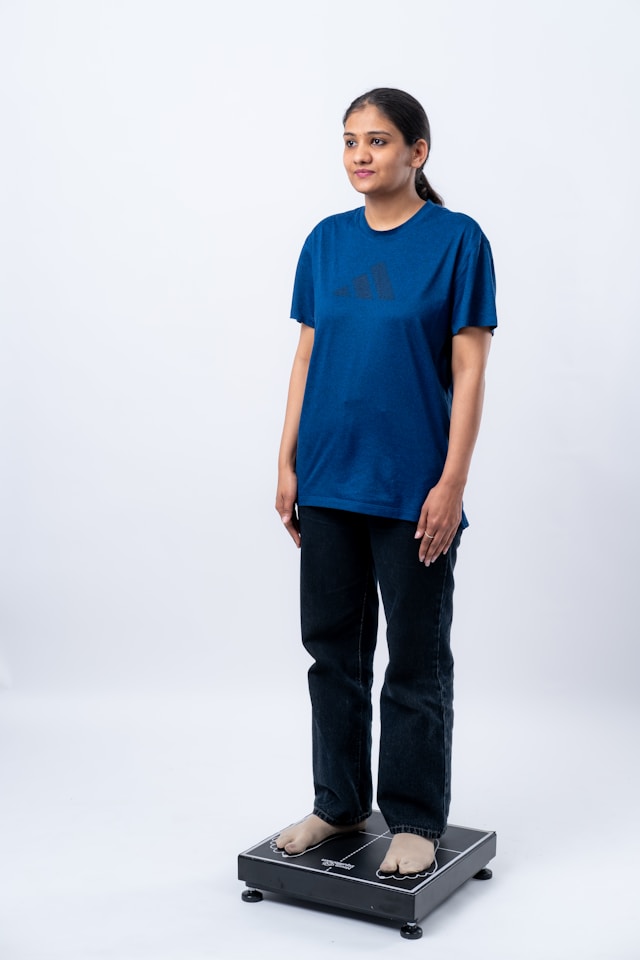
You want clarity, not guesses. If you have been training, dialing in nutrition, or working toward sustainable weight loss, a bathroom scale cannot tell you if the right tissue is changing. A DEXA scan can. It maps your body with lab-grade precision so you can move better, train smarter, and age with strength.
At NuVitale in Suwanee, DEXA lives inside an integrated, data-driven performance lab. You can pair it with PNOE metabolic and VO2 Max testing, sport-specific movement screens, physician-led optimization, sports chiropractic, and recovery under one roof, coordinated in one plan. We do not guess, we test.
A scale shows total weight. It cannot separate fat from lean mass or show where either is located. DEXA (dual-energy X-ray absorptiometry) delivers a precise body map in under five minutes with very low radiation exposure.
Here is what DEXA measures that the scale misses:
When your goals include building power, protecting joints, and preserving healthspan, these metrics guide smart decisions. For example, an endurance athlete might reduce VAT and maintain leg lean mass while the scale barely moves. That is meaningful progress the scale would hide.
Testing is only valuable if it changes your plan. After DEXA, our performance team aligns your data with PNOE and VO2 Max results plus a movement assessment to create targeted training and fueling.
PNOE metabolic testing maps how your body uses oxygen and carbon dioxide at rest and during exercise. It shows your substrate use, carbohydrate versus fat, and ventilatory thresholds. VO2 Max testing measures your maximal oxygen uptake and defines individualized heart rate and power zones, not generic equations.
Why this matters:
If you are ready to dial in sport-specific performance work, explore how our team runs VO2 Max testing for athletes in Suwanee and converts values into weekly training with strength, agility, and recovery integrated. See more on our sports performance training page.
A movement assessment for athletes includes joint-by-joint mobility testing, posture and gait analysis, single-leg control, core endurance, spinal and shoulder mechanics, and sport patterns like squat, hinge, push, pull, rotate, and impact absorption. We use these findings with DEXA asymmetries to fix the root cause of recurring tightness, tendon pain, or power leaks. Sports chiropractic, dry needling, shockwave, and corrective exercise then reinforce the changes so gains stick.
You can learn how our integrated team handles return to play, speed development, and strength cycles on the same page that outlines Suwanee movement analysis for athletes and strength programs.
Runners: Use VO2 Max and ventilatory thresholds to anchor paces, add eccentric calf and hip strength to address DEXA-identified leg imbalances, and track VAT reduction while keeping lean mass steady. Fuel long runs with targeted carbohydrate and maintain daily protein based on lean body mass.
Cyclists: Build a wider aerobic base with precise Zone 2 wattage from VO2 testing, then layer threshold and VO2 intervals. If trunk lean mass is low, add rowing and anti-rotation work. Match intra-ride carbs to session intensity and confirm body composition shifts with DEXA every 8 to 12 weeks.
Pickleball: Improve VO2 max by using the sport’s stop-and-go movement patterns to build both aerobic capacity and repeat sprint recovery. Longer rallies and continuous doubles play can support Zone 2 conditioning, while fast-paced singles matches and court drills push heart rate into higher aerobic zones that improve oxygen utilization. Pair on-court work with lower-body strength training, lateral movement drills, and mobility work to maintain power and reduce injury risk. Use VO2 testing to identify whether endurance or recovery capacity is the limiting factor, then adjust interval intensity and weekly training volume accordingly. Track body composition and cardiovascular improvements every 8 to 12 weeks with DEXA and repeat VO2 assessments to confirm measurable gains.
CrossFit athletes: Balance heavy lifting with shoulder stability and thoracic mobility if DEXA shows arm asymmetry, then use PNOE to pace mixed-modal workouts by heart rate. Program deload weeks and watch BMD trends to support high-impact training.
Golfers: Improve clubhead speed with rotational power and anti-rotation control while addressing leg asymmetries that affect weight transfer. Use Zone 2 conditioning to improve back-nine focus and recovery between rounds.
Progress in the real world often looks like stable body weight with rising lean mass percentage, shrinking VAT, faster recovery heart rates, and improved power or pace at a lower perceived effort. Your plan should evolve with your data.
NuVitale’s team includes board-certified physicians, sports chiropractors, nutritionists, and recovery specialists working off shared records and regular case reviews. That means your hormone doctor talks to your chiropractor, your nutrition plan reflects your PNOE and VO2 results, and your strength cycles match your movement screen. Same-day appointments are often available, and many tests can be completed in one visit.
If your goals include sustainable body recomposition and performance, learn about our physician-led approach to medical weight loss in Suwanee, including how we use DEXA and metabolic testing to preserve lean mass. You can start with our page on weight loss in Suwanee for an overview of programs and next steps.
Book performance testing and your DEXA scan at NuVitale in Suwanee. Many athletes combine DEXA, PNOE, VO2 Max, and a movement screen in a single visit, then meet with our team to turn results into a coordinated plan. If you need a physician-led path to fat loss that preserves muscle, explore our Suwanee medical weight loss program, which integrates DEXA, nutrition, training, and, when appropriate, prescription options. For athletes needing hands-on care, our team also provides premier chiropractic in Suwanee within the same integrated framework.
For convenience, we offer Suwanee telehealth appointments when appropriate for follow-ups and consultations.
A DEXA scan reveals what the scale never could, and when you pair it with PNOE, VO2 Max testing, and a targeted movement assessment, you get a clear, data-backed plan. Retest on a schedule, adjust training and fueling with purpose, and build a body that is stronger, more durable, and better performing year after year. Ready to see your data and act on it? Book your testing at NuVitale and take the first precise step toward a longer, stronger future.
Our Location
4245 Johns Creek Parkway, Suite A
Suwanee, GA 30024
Conveniently located in Johns Creek with easy access from Forsyth County, Gwinnett County, Hall County, and throughout North Metro Atlanta.
Phone: (678) 304-0480
Email: info@nuvitalelife.com
Hours
Mon – Fri: 9:00am – 6:00pm
Sat: By Appointment
Sun: Closed







4245 Johns Creek Parkway, Suite A
Suwanee, GA 30024
Phone: (678) 304-0480
Email: info@nuvitalelife.com
Hours:
Monday – Friday: 9:00am – 6:00pm
Saturday: By Appointment
Sunday: Closed