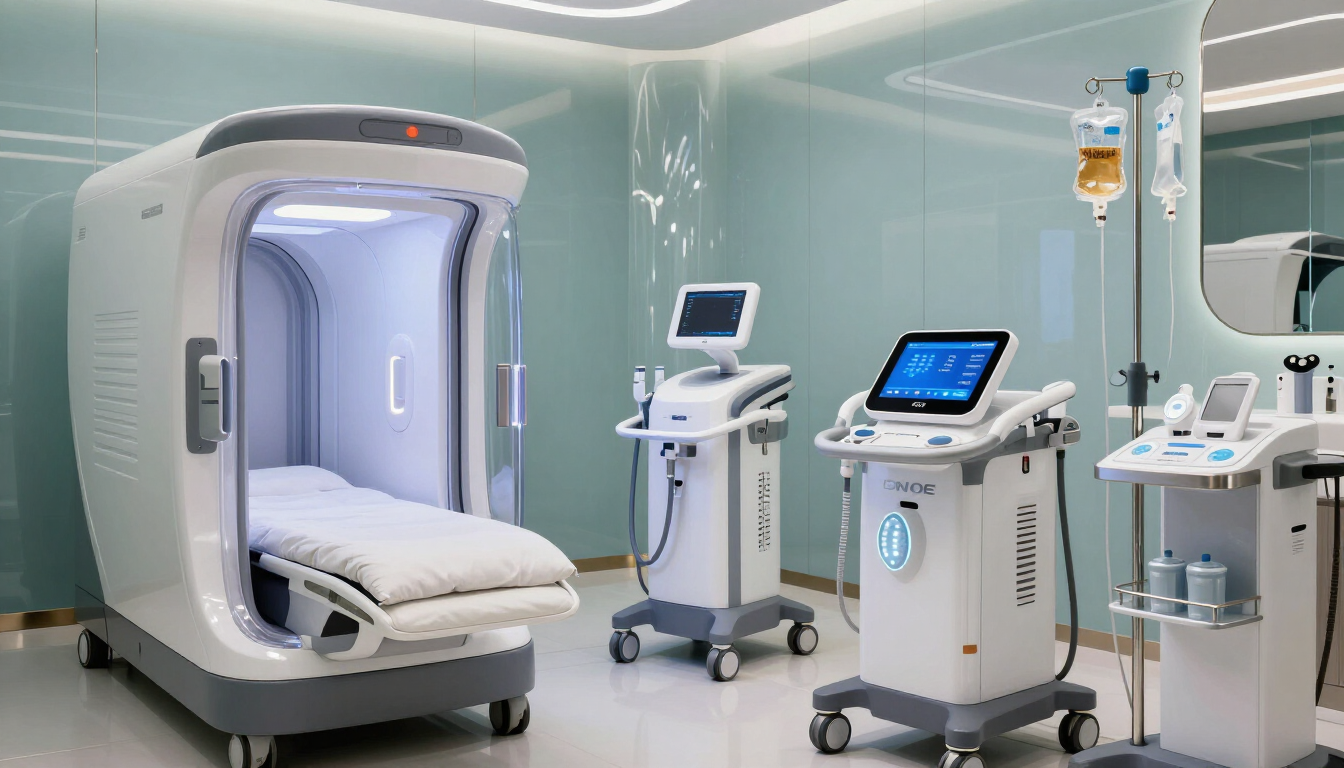

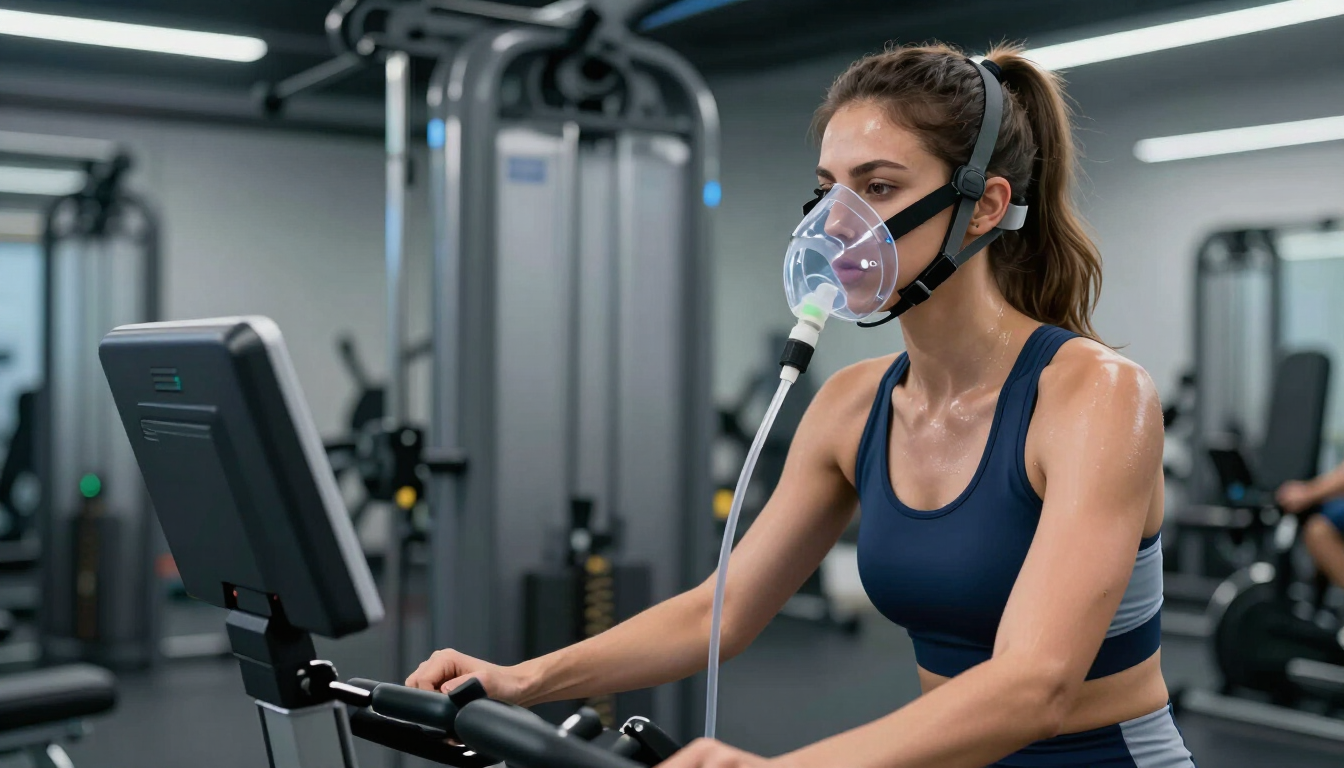
We test, then we integrate. Clarity creates momentum.
You deserve more than a bathroom scale and a BMI chart. Numbers without context can push you toward the wrong goals, the wrong plan, and the wrong expectations.
If you train hard, manage your nutrition, or care about longevity, you need clarity that goes deeper than weight. DEXA body composition testing delivers that clarity in minutes. It separates fat from lean tissue, maps visceral fat, flags asymmetries, and measures bone mineral density so you can make precise, confident decisions.
We don't guess. We test.
Below, you'll see how DEXA compares with BMI, how we integrate metabolic testing, VO2 Max, strength assessments, and targeted labs at NuVitale, and how to use your results to shape smarter training, nutrition, and recovery.
What DEXA Is and How It Differs From BMI
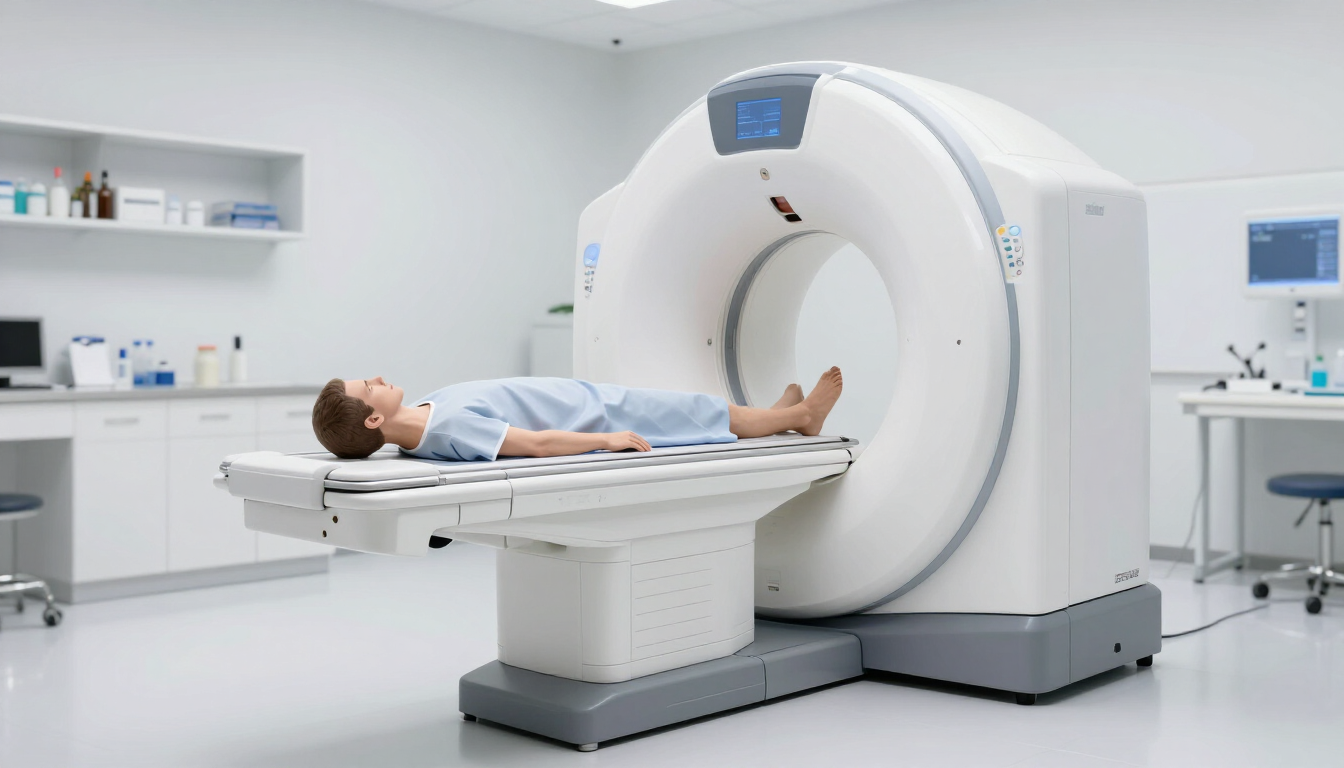
DEXA (Dual-Energy X-ray Absorptiometry) is a low-radiation scan that measures:
- Fat mass
- Lean muscle mass
- Bone Mineral Density (BMD)
Results include body fat percentage, segmental lean mass by limb and trunk, and an estimate of visceral adipose tissue.
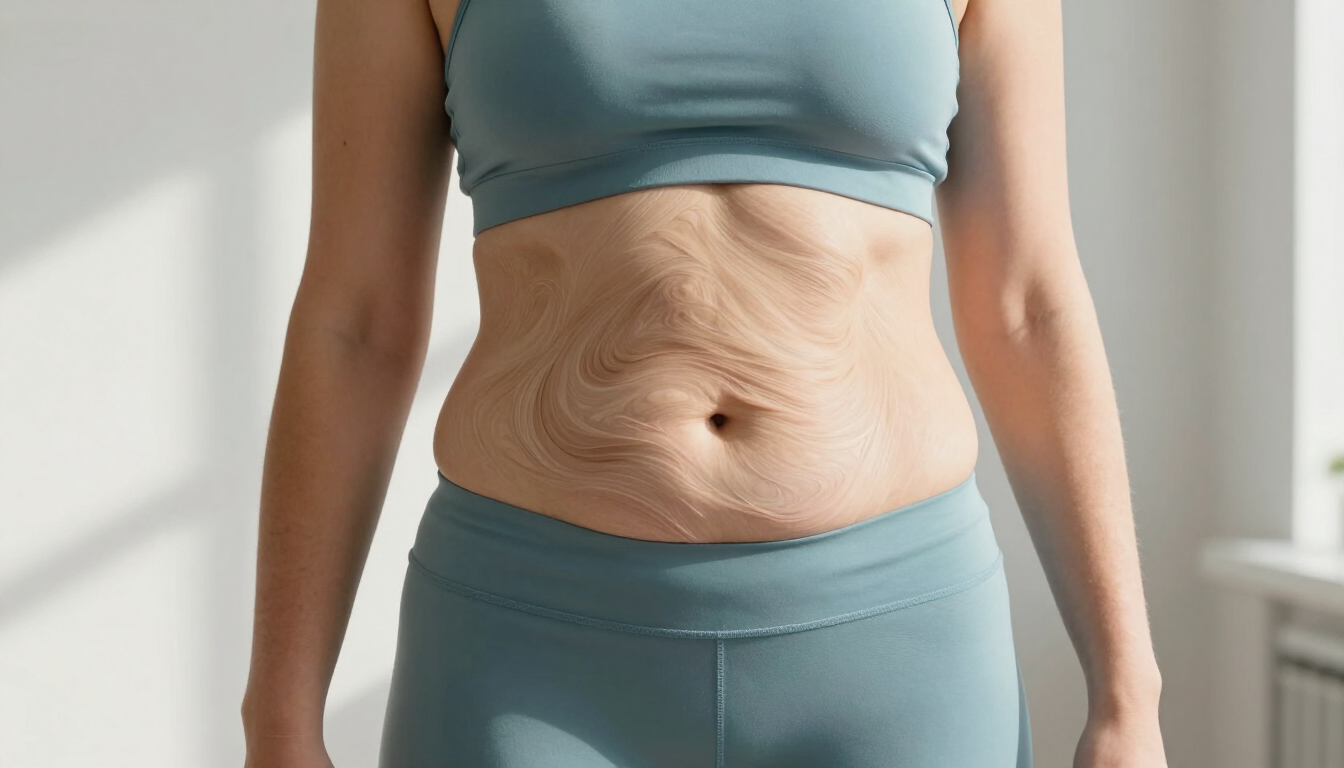
BMI (Body Mass Index), by comparison, is simply a height-to-weight ratio. It cannot distinguish muscle from fat, reveal where fat is stored, or evaluate bone density.
Two people with identical BMIs can have dramatically different health profiles.
Think of BMI as a broad screening tool. Think of DEXA as a clinical-grade body map that tells you exactly what to change—and how to measure progress.
What DEXA Shows That BMI Cannot
A single DEXA scan provides information including:
- Precise body fat percentage and total fat mass
- Segmental lean muscle mass for each arm, each leg, and the trunk
- Visceral adipose tissue (VAT), the deeper fat linked to cardiometabolic disease
- Bone Mineral Density (BMD)
These insights reveal imbalances that may affect athletic performance, injury risk, and long-term health.
The number on the scale may stay the same while you lose visceral fat and gain lean muscle.
BMI calls that a plateau.
DEXA calls it progress worth protecting.
How Often to Scan—and What Progress Really Looks Like
During active body transformation, most people should repeat a DEXA scan every 8–12 weeks.
During maintenance, every 6–12 months is often appropriate.
Real progress may include:
- Stable or slightly lower body weight with higher lean muscle percentage
- Reduced visceral fat while preserving leg muscle
- Improved Bone Mineral Density after resistance training and adequate protein intake
- Better symmetry between limbs as movement patterns improve
Is DEXA Worth It for Weight Loss and Performance?
If your goal is fat loss while preserving muscle, DEXA is one of the best investments you can make.
It confirms whether your calorie target and macronutrients are producing the right changes in the right tissues.
For athletes, DEXA aligns strength training with segmental muscle data while protecting bone health during heavy or high-impact training.
At NuVitale, DEXA rarely stands alone. We integrate it with metabolic analysis and VO2 Max testing so every decision is based on your physiology—not averages.
How DEXA Integrates With RMR, VO2, Movement, and Labs
A coordinated plan connects body composition with metabolism and performance testing.
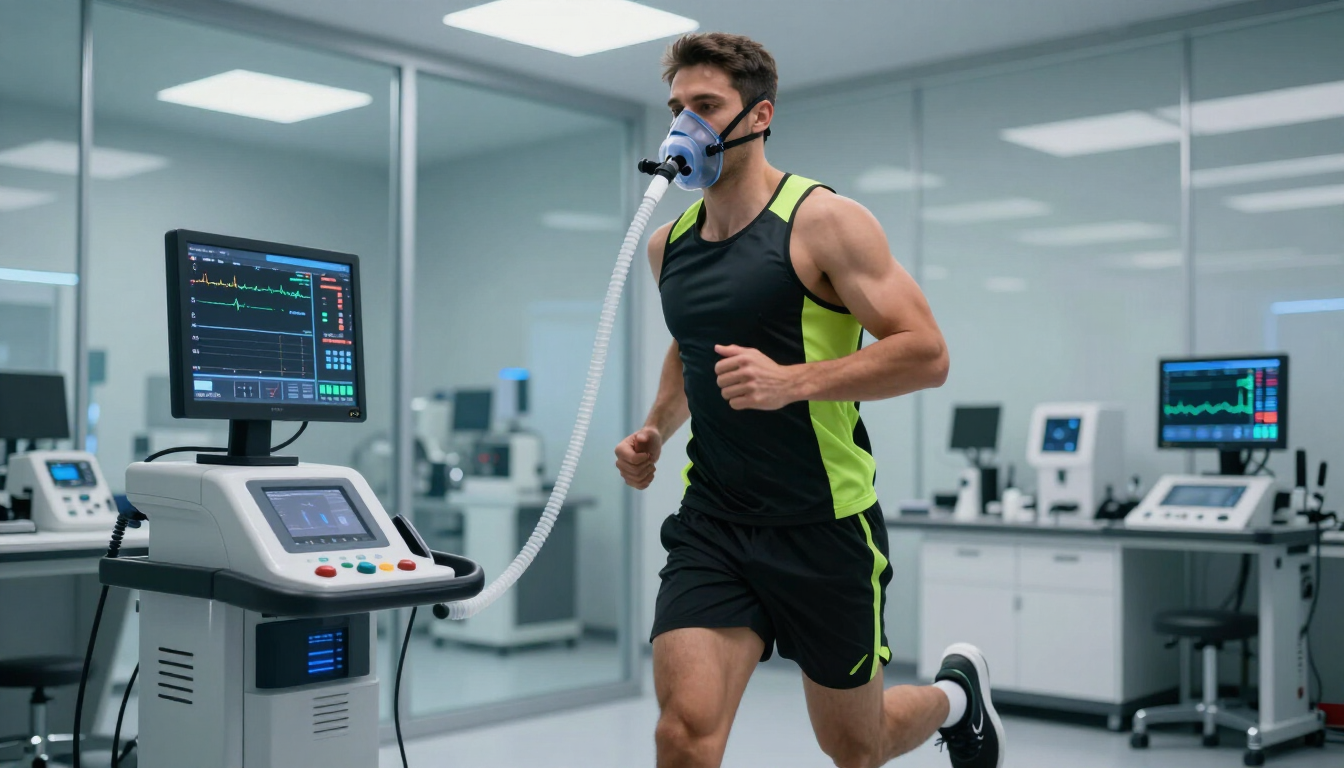
Resting Metabolic Rate & PNOE Testing
Determines:
- Resting calorie needs
- Fat versus carbohydrate utilization
- Metabolic efficiency during exercise
VO2 Max Testing
Provides individualized:
- Zone 2 heart rate
- Tempo zones
- Threshold zones
- Interval training prescriptions
This allows you to train at the right intensity for fat loss, endurance, recovery, and performance.
Movement Screening & Strength Testing
Movement assessments connect DEXA asymmetries with:
- Mobility
- Stability
- Power output
This information guides corrective exercises and progressive strength training.
Laboratory Testing
Additional testing may include:
- Thyroid panels
- Insulin resistance markers
- Lipid panels
- Inflammatory markers
These help explain stubborn plateaus and optimize nutrition and recovery.
Together, these findings become one coordinated plan with:
- Individual calorie targets
- Daily protein goals
- Training zones
- Strength phases
- Retesting schedule
What to Do Before and After a DEXA Scan
Before Your Scan
- Stay normally hydrated.
- Avoid heavy exercise for 12 hours beforehand.
- Schedule future scans around the same time of day.
- Wear light clothing.
- Remove metal objects.
- Keep alcohol, salt intake, and large meals consistent the day before to reduce fluid-related variations.
After Your Scan
- Review results with your clinician or coach.
- Confirm what changed—and what should change next.
- Adjust calories, protein intake, and training volume based on trends instead of single measurements.
- Schedule your next scan while reviewing your results.
How to Use DEXA to Adjust Training, Nutrition, and Recovery
If body fat is decreasing but lean muscle is also dropping:
- Increase protein intake toward 1.6–2.2 grams per kilogram of body weight
- Add a slight calorie increase
- Prioritize progressive resistance training
If visceral fat remains elevated:
- Add two to three true Zone 2 cardio sessions each week
- Reduce evening alcohol
- Limit late-night snacking
- Increase daily fiber and protein intake
If one leg has significantly less lean muscle:
- Add unilateral strength training
- Monitor dominant-side training volume
- Correct muscular asymmetries
If Bone Mineral Density is low:
- Include loaded carries
- Squats
- Leg presses
- Step-ups
- Appropriate plyometric training
Retest to monitor improvement.
These recommendations become even more effective when combined with PNOE metabolic testing and VO2 Max results.
For example, if PNOE reveals poor fat oxidation during moderate exercise, additional Zone 2 training and adjusted intra-workout carbohydrate intake may improve metabolic flexibility.
Cost, Access, and What to Expect
DEXA pricing varies by location and whether it's included within a larger program.
Many self-pay scans range from approximately $75–$150, while package pricing may reduce the cost.
Several diagnostics can often be completed during one visit, including:
- DEXA
- PNOE metabolic testing
- VO2 Max testing
- Blood work
During the Appointment
- Check in and change into light clothing if needed.
- Remove metal objects.
- Lie comfortably on the scanner for under five minutes while the scanning arm passes overhead.
- Receive a visual report showing:
- Body fat percentage
- Lean muscle by region
- Visceral fat estimate
- Bone Mineral Density
Who Should Not Get a DEXA Scan—or Should Ask Their Doctor First
Consult your healthcare provider before scheduling if you:
- Are pregnant
- Recently experienced a fracture
- Have significant metal implants (affected areas may be less accurate)
- Recently underwent a barium study or nuclear medicine imaging
- Have concerns about previous radiation exposure or implanted medical devices
Always discuss your medical history with your healthcare team before testing.
Frequently Asked Questions
What is DEXA, and how is it different from BMI?
DEXA is a low-radiation scan that measures body fat, lean muscle, and bone density with regional detail. BMI is simply a height-to-weight ratio that cannot distinguish muscle from fat or reveal body composition.
What insights does DEXA provide?
DEXA measures:
- Body fat percentage
- Segmental lean muscle mass
- Visceral fat
- Bone Mineral Density
It also identifies asymmetries that may affect performance or injury risk.
How often should you scan?
Every 8–12 weeks during active body transformation and every 6–12 months during maintenance, or according to your clinician's recommendations.
How much does a scan cost?
Many self-pay scans range from $75–$150, although pricing varies by provider and insurance coverage.
Is DEXA worth it?
For fat loss with muscle preservation and athletic performance, DEXA is one of the most valuable tools because it confirms that your plan is changing the right tissue—not simply changing your weight.
Who should consult a clinician first?
Anyone who is pregnant, recently underwent certain imaging procedures, or has significant implants or medical devices should speak with a healthcare provider before scheduling.
How does DEXA integrate with metabolism and VO2?
DEXA is combined with PNOE metabolic testing and VO2 Max results to determine precise calorie targets, macronutrient recommendations, and individualized training intensities.
How should I prepare and follow up?
Maintain consistent hydration and timing, avoid heavy exercise beforehand, and review your results with a clinician to adjust calories, protein intake, and training zones.
About the Author
Dr. Nadine Halliburton-Foster, MD
Chief Medical Officer of NuVitale Life. Dr. Halliburton-Foster specializes in preventive medicine, hormone optimization, metabolic health, longevity-focused care, and personalized wellness strategies designed to help patients maximize their healthspan, vitality, and quality of life.
Replace guesswork with clear numbers.
Schedule a DEXA consultation in Suwanee and combine DEXA, metabolic testing, and VO2 Max assessment into one comprehensive visit. Same-day appointments are often available.