
We test, then we integrate. Clarity creates momentum.
DEXA: How Your Body Is Built
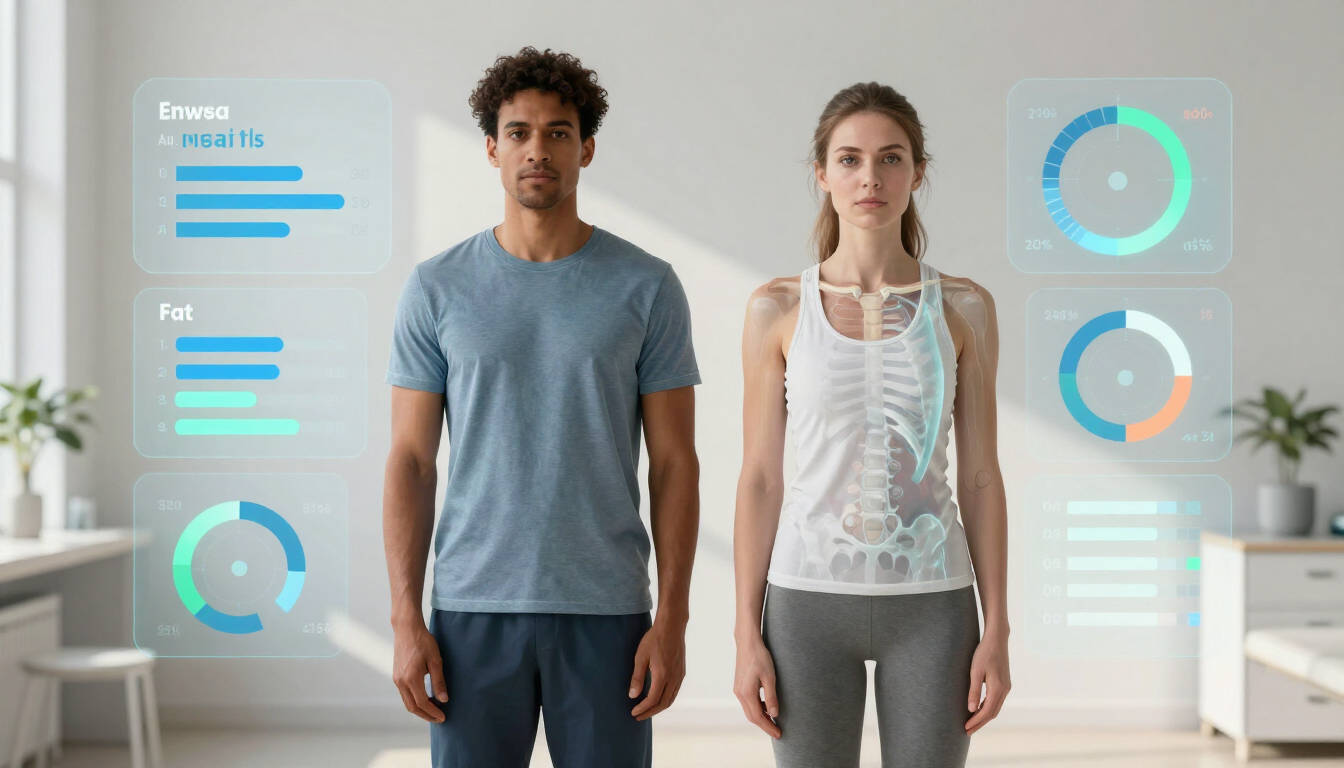
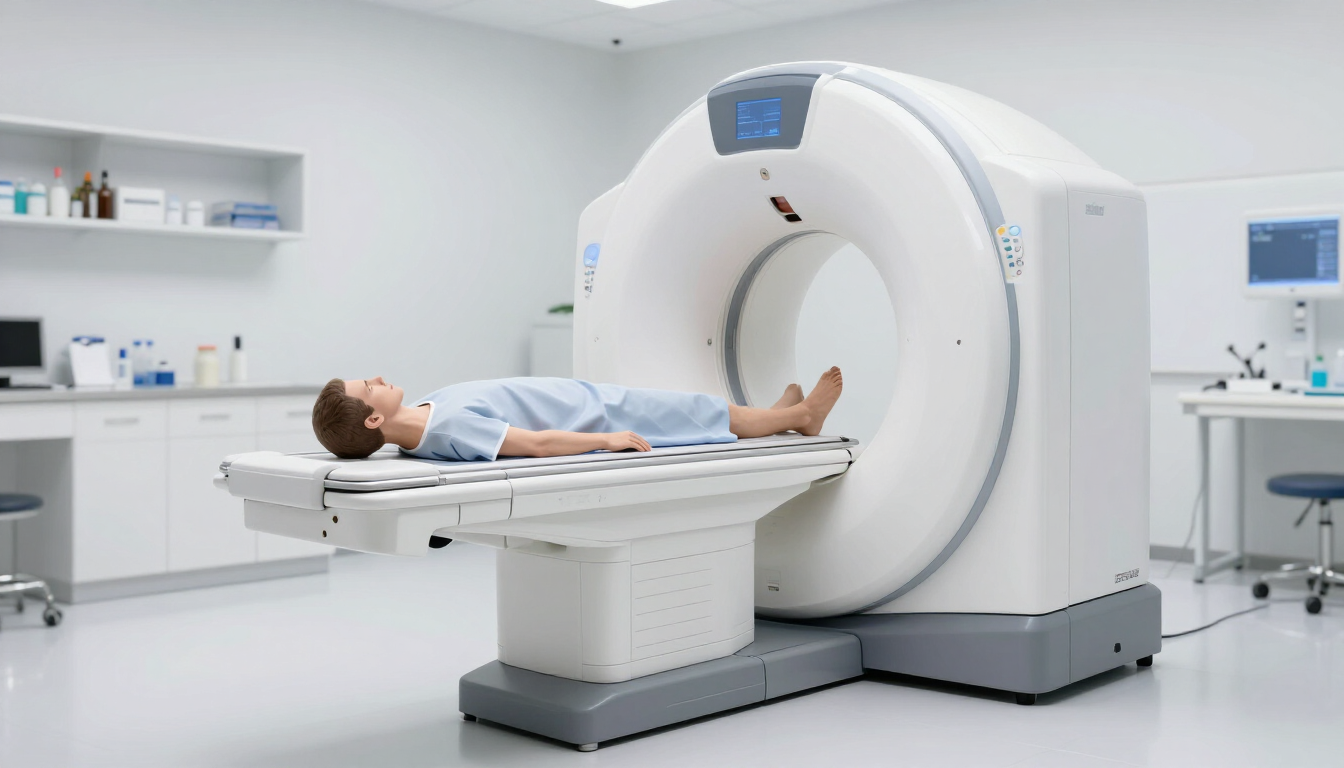
DEXA (Dual-Energy X-ray Absorptiometry) is a quick, non-invasive scan that accurately measures body composition.
Key measurements include:
Lean Muscle Mass
Muscle is your metabolic engine.
Protecting muscle during weight loss helps maintain a healthier metabolism and supports long-term success.
Visceral Fat
This fat surrounds your organs and is closely associated with long-term cardiometabolic disease.
DEXA measures it directly instead of estimating it from waist circumference.
Bone Density
DEXA also establishes a baseline for skeletal health, allowing long-term monitoring as you age.
A scale cannot tell whether you've lost fat or muscle.
DEXA can.
That difference often determines whether weight loss lasts.
Chronic Inflammation
Inflammation interferes with:
- Normal metabolism
- Recovery
- Overall health
making it more difficult to achieve and maintain a healthy body weight.
Your Entire Platform in One App
Every patient receives access to a personalized NuVitale app.
The app allows you to:
- Connect wearable fitness devices
- Track training and recovery
- Follow personalized nutrition plans
- Access more than 1,000 recipes
- Log supplements and medications
- Monitor biological age
- Track glucose stability
- Follow body composition trends
Everything—from testing and nutrition to training and recovery—is integrated into one platform.
Your Visit: What to Expect
Before Your Appointment
- Fast before testing
- Avoid caffeine
- Avoid nicotine
- Avoid strenuous exercise
- Stay hydrated
- Wear comfortable clothing
DEXA scans are ideally performed at approximately the same time of day during each visit for consistency.
What the evidence actually says. No supplements. No cleanses.
Visceral Fat vs. Subcutaneous Fat
Visceral fat wraps your organs — subcutaneous fat sits under the skin.
Fat Around Organs
Visceral — hidden
- Dangerous belly fat you can't see
- Wraps around internal organs
- Higher metabolic impact
- Higher major-disease risk
Fat Under Skin
Subcutaneous — visible
- Fat beneath the skin you can pinch
- Sits outside the muscles
- Lower metabolic impact
- Lower major-disease risk
How to Reverse It
Eight evidence-based places to start.
1. Walk After Meals
A 10-minute walk after eating lowers peak glucose (Scientific Reports, 2025). Muscle clears it without insulin.
Start here: 10-minute walk after your largest meal.
2. Lift Twice a Week
Resistance training reduces visceral fat—even without weight loss (Khalafi meta-analysis, 2021).
Start here: Two strength sessions weekly. Squat. Hinge. Push. Pull.
3. Front-Load Your Protein
30g of protein at breakfast triggers muscle synthesis—and keeps hunger off until lunch.
Start here: 30g protein in your first meal.
4. Stop Eating 3 Hours Before Bed
The same meal eaten late produces a 27% lower insulin response (PNAS landmark study).
Start here: Last bite by 7–8pm.
5. Get Morning Light
Light—not the alarm—anchors your metabolic clocks. Daylight exposure improves glucose stability.
Start here: 10 minutes outside within an hour of waking.
6. Protect Deep Sleep
One night of partial sleep restriction cuts glucose disposal by 25% (JCEM, 2010).
Start here: Same bedtime nightly. Phone outside the bedroom.
7. Eat for the Microbiome
Each 10g of daily fibre cuts type 2 diabetes risk by 9% (EPIC-InterAct). Most people eat only about half of what they need.
Start here: Lentils, oats, leafy greens, and berries every day.
8. Cut Ultra-Processed Food
Ultra-processed food increased intake by approximately 500 extra calories per day (NIH trial, 2019), despite similar nutrients.
Start here: Replace one ultra-processed meal each day with whole food.