

Hypothyroidism & Weight Loss: Why the Scale Won't Budge — and What's Really Going On
Dr. Nadine Halliburton-Foster, MD • July 21, 2026

We test, then we integrate. Clarity creates momentum.

You cut calories. You start exercising. You make healthier choices. Yet week after week, the scale barely moves.

For many people living with hypothyroidism, this experience can be frustrating, discouraging, and confusing. Patients often tell me they feel as though they are working twice as hard as everyone else while seeing only a fraction of the results. Friends, family members, and even healthcare providers may encourage them to simply "eat less and move more," but they know something deeper is going on.


The reality is that thyroid health plays a significant role in how your body produces energy, regulates metabolism, stores fat, and responds to diet and exercise. When thyroid function is compromised, losing weight often becomes much more difficult—not because of a lack of discipline or effort, but because the body is operating under a different set of physiological circumstances.


Understanding why this happens is the first step toward developing a strategy that actually works.


The Thyroid: Your Body's Metabolic Control Center

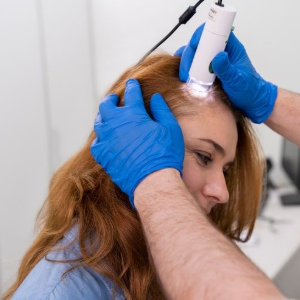
The thyroid is a small butterfly-shaped gland located at the base of your neck, but its influence extends to virtually every organ system in the body.


The hormones produced by the thyroid help regulate:

  • Metabolic rate
  • Energy production
  • Body temperature
  • Heart function
  • Digestion
  • Brain function
  • Muscle maintenance
  • Fat metabolism


When thyroid hormone production declines, the body's metabolic processes slow down. This condition, known as hypothyroidism, affects millions of Americans and is particularly common among women.


While weight gain is one of the most recognized symptoms, it is rarely the only one.


Many patients also experience:

  • Persistent fatigue
  • Brain fog
  • Dry skin
  • Hair thinning
  • Cold intolerance
  • Depression or low mood
  • Constipation
  • Reduced exercise tolerance
  • Slower recovery
  • These symptoms can significantly impact quality of life and create barriers to maintaining a healthy body composition.

Why Weight Loss Becomes So Difficult

Many people assume hypothyroidism causes dramatic weight gain. While that can occur, the more common challenge is an inability to lose weight despite making healthy lifestyle changes.


Several physiological mechanisms contribute to this struggle.


The scale does not tell the entire story.


A Slower Resting Metabolic Rate

Your resting metabolic rate represents the calories your body burns simply to maintain essential functions, including:

  • Breathing
  • Circulating blood
  • Maintaining body temperature
  • Repairing tissues
  • Producing cellular energy


When thyroid hormone levels decrease, these functions require fewer calories.


Although the reduction may seem modest, the cumulative effect over months and years can become significant.


Reduced Daily Energy Expenditure

Hypothyroidism commonly causes fatigue and reduced stamina.


As energy levels decline, people naturally:

  • Move less throughout the day
  • Exercise less intensely
  • Avoid activities they previously enjoyed


This creates a compounding effect:

  • Fewer calories burned through metabolism
  • Fewer calories burned through movement

Changes in Body Composition

Patients with thyroid dysfunction frequently experience:

  • Gradual loss of lean muscle mass
  • Increased body fat


Because muscle is metabolically active, losing lean tissue further lowers calorie expenditure, making future weight loss increasingly difficult.

  • Body composition often tells a much more meaningful story than body weight alone.

Fluid Retention

Not every pound gained during hypothyroidism is body fat.


Changes in thyroid hormone levels may increase:

  • Water retention
  • Sodium retention
  • Bloating
  • These changes can be resistant to traditional diet and exercise strategies.

"My Thyroid Labs Are Normal—Why Am I Still Struggling?"

This is one of the most common questions patients ask.


After starting thyroid treatment, many people expect excess weight to disappear.


Unfortunately, thyroid medication is not a weight-loss medication.


Its purpose is to restore healthy thyroid hormone levels and normalize body function.


Thyroid optimization is important—but it is often only one piece of a much larger puzzle.


Many patients continue struggling because additional metabolic issues remain unaddressed.


These may include:

Insulin Resistance

Insulin is one of the body's strongest fat-storage hormones.


Chronically elevated insulin levels make losing body fat significantly more difficult—even when calorie intake is controlled.


Hormonal Imbalances

Low testosterone in men and imbalances involving estrogen or progesterone in women can negatively affect:

  • Body composition
  • Energy
  • Recovery
  • Metabolic health


Chronic Stress

Long-term elevations in cortisol (the body's stress hormone) may contribute to increased abdominal fat storage.


Poor Sleep

Sleep deprivation affects:

  • Hunger hormones
  • Insulin sensitivity
  • Recovery
  • Energy expenditure


Even small disruptions in sleep can influence weight management over time.


Chronic Inflammation

Inflammation interferes with:

  • Normal metabolism
  • Recovery
  • Overall health

making it more difficult to achieve and maintain a healthy body weight.


Looking Beyond the Scale

One of the biggest mistakes people make during a weight-loss journey is focusing exclusively on body weight.


Real progress often includes:

  • Increased lean muscle mass
  • Reduced body fat percentage
  • Improved metabolic health
  • Better energy levels
  • Improved sleep quality
  • Increased strength
  • Enhanced recovery
  • Better overall well-being


In many cases, these improvements occur long before dramatic changes appear on the scale.


Body composition and metabolic health markers often provide a far more accurate picture of progress than body weight alone.


The Bottom Line

If you have hypothyroidism and feel like your body is fighting against your weight-loss efforts, you're not imagining it.


The thyroid influences nearly every aspect of:

  • Metabolism
  • Energy production
  • Body composition
  • Energy utilization

When thyroid function is impaired, losing weight becomes significantly more difficult.


However, thyroid health is often only one piece of a much larger picture.


Other factors—including insulin resistance, hormone balance, muscle mass, inflammation, stress, sleep quality, and recovery—all influence how effectively the body burns fat and maintains long-term health.


Understanding these interconnected systems helps explain why traditional approaches sometimes fail—and why a more comprehensive strategy is often necessary for lasting success.


Frequently Asked Questions

What if my thyroid levels are normal, but I still can't lose weight?

This is extremely common.


While thyroid optimization is important, many patients continue to struggle because of:

  • Insulin resistance
  • Hormone imbalances
  • Chronic inflammation
  • Poor sleep quality
  • Stress
  • Loss of lean muscle mass


At NuVitale Life, the entire metabolic picture is evaluated to identify the factors limiting progress.


Does NuVitale Life offer hormone optimization?

Yes.


Medical providers offer comprehensive hormone evaluations and treatment options for both men and women.


Optimizing hormones may improve:

  • Energy
  • Body composition
  • Recovery
  • Performance
  • Overall vitality


Can medical weight-loss therapies help?

For qualified patients, physician-guided medical weight-loss programs may include:

  • GLP-1 therapies
  • Metabolic assessments
  • Nutrition support
  • Ongoing clinical monitoring

These programs are designed to help patients achieve sustainable results.


Do you offer peptide therapy?

Yes.


Peptide therapies may be incorporated into personalized wellness plans to support:

  • Recovery
  • Healthy aging
  • Muscle preservation
  • Body composition goals
  • Overall performance optimization


How do recovery therapies fit into metabolic health?

Recovery is often one of the most overlooked aspects of long-term health and weight management.


NuVitale Life offers therapies including:

  • Hyperbaric Oxygen Therapy (HBOT)
  • Red Light Therapy
  • IV Therapy
  • Chiropractic Care
  • Sports Medicine

These services may support recovery, energy production, healing, and overall wellness.


What makes NuVitale Life different?

NuVitale Life believes successful health optimization requires looking beyond a single diagnosis or symptom.


The focus is on the complete picture, including:

  • Hormones
  • Metabolism
  • Recovery
  • Body composition
  • Nutrition
  • Lifestyle

The goal is helping patients improve their healthspan, vitality, and quality of life.


How do I get started?

The first step is scheduling a consultation.


Together, you'll review your:

  • Health history
  • Symptoms
  • Goals
  • Laboratory findings

A personalized plan is then developed to help you feel better, perform better, and live with greater vitality.


About the Author

Dr. Nadine Halliburton-Foster, MD
Chief Medical Officer of NuVitale Life. Dr. Halliburton-Foster specializes in preventive medicine, hormone optimization, metabolic health, longevity-focused care, and personalized wellness strategies designed to help patients maximize their healthspan, vitality, and quality of life.


Ready to look beyond the scale?


Schedule a consultation to map your full metabolic picture and build a personalized plan.

Woman exercising on a cardio machine in a gym, wearing a face mask and workout clothes.
By Dr. Nadine Halliburton-Foster, MD July 26, 2026
Learn how VO₂ Max testing at NuVitale boosts fat burning & training. Get personalized cardio zones for optimal fitness results.
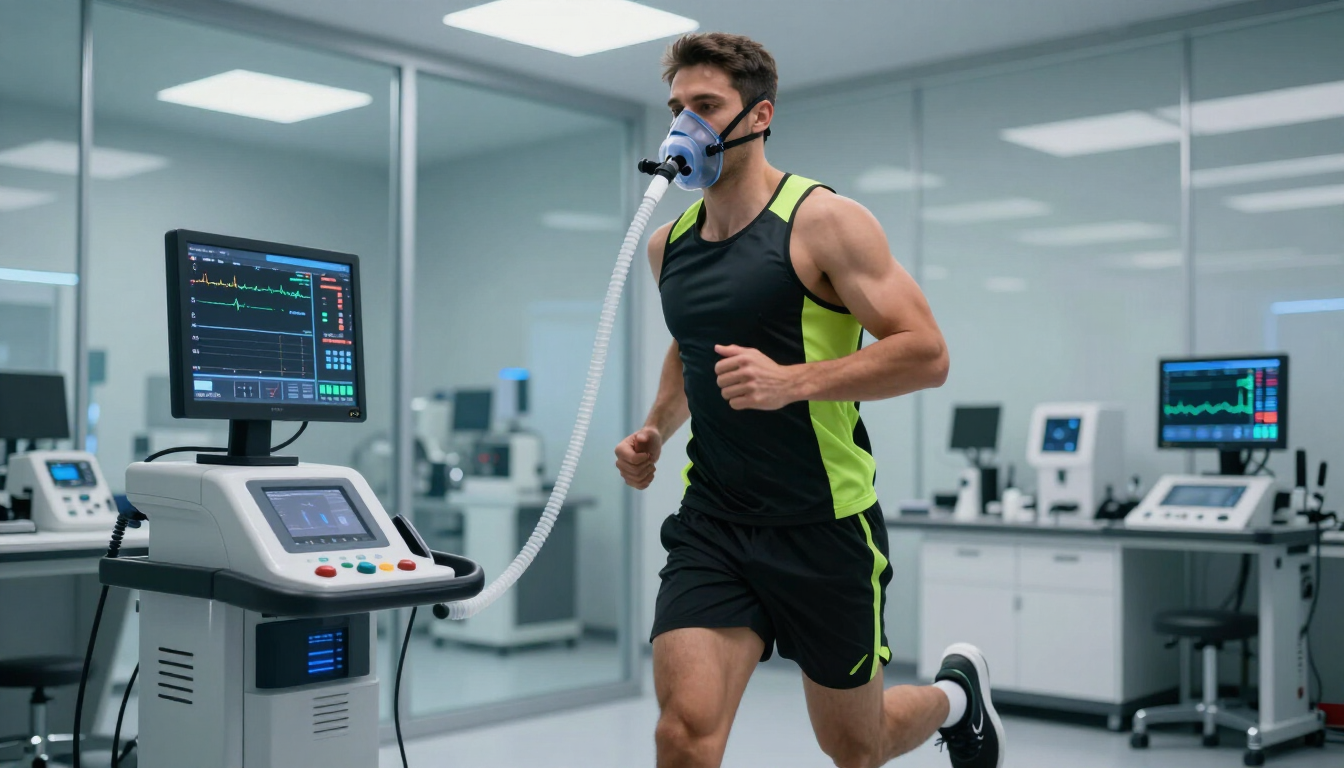
Runner on treadmill in a bright lab, wearing a breathing mask and monitoring workout equipment.
By Dr. Nadine Halliburton-Foster, MD July 25, 2026
Understand VO₂ max testing's role in health. Optimize your healthspan with personalized plans at NuVitale. Schedule your test today!
Circular infographic with green icons around a central human silhouette and “NUTRILE” at the bottom
By Dr. Nadine Halliburton-Foster, MD July 24, 2026
NuVitale designs integrated wellness programs tailored to your needs. Contact us to start your journey to better health!

Man sitting on a bed, leaning forward and looking down, in a softly lit bedroom.
By Dr. Nadine Halliburton-Foster, MD July 23, 2026
Your workouts stop producing results. Your energy disappears by mid-afternoon. The weight settles around your middle and refuses to leave.  It may not be age — it may be your hormones.

Woman jogging indoors in teal sportswear with fitness graphics in the background
By Dr. Nadine Halliburton-Foster, MD July 22, 2026
NuVitale offers a physician-led approach to lasting weight loss by tackling metabolic issues. Start your journey to better health today!
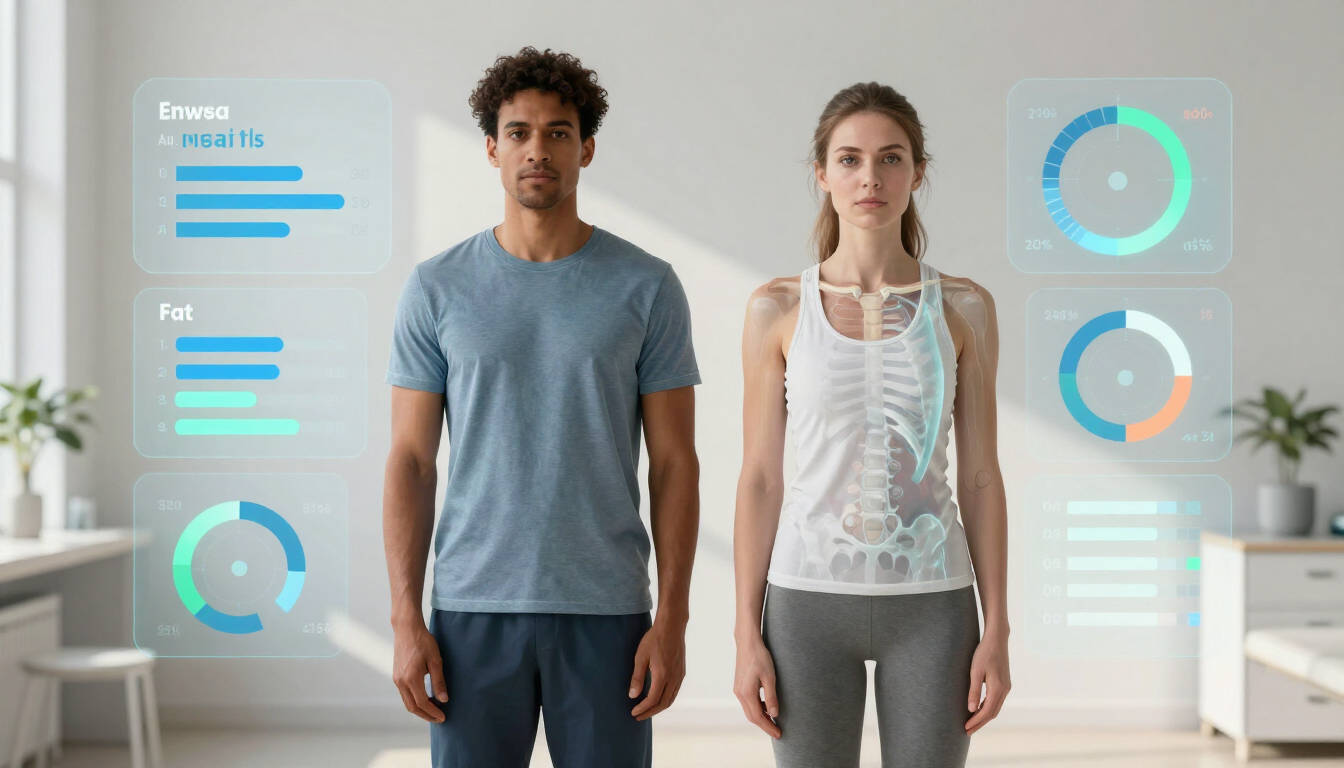
Two people standing in a bright room with blue health-data overlays on the wall
By Dr. Nadine Halliburton-Foster, MD July 19, 2026
You deserve more than a bathroom scale and a BMI chart. Numbers without context can push you toward the wrong goals, the wrong plan, and the wrong expectations.
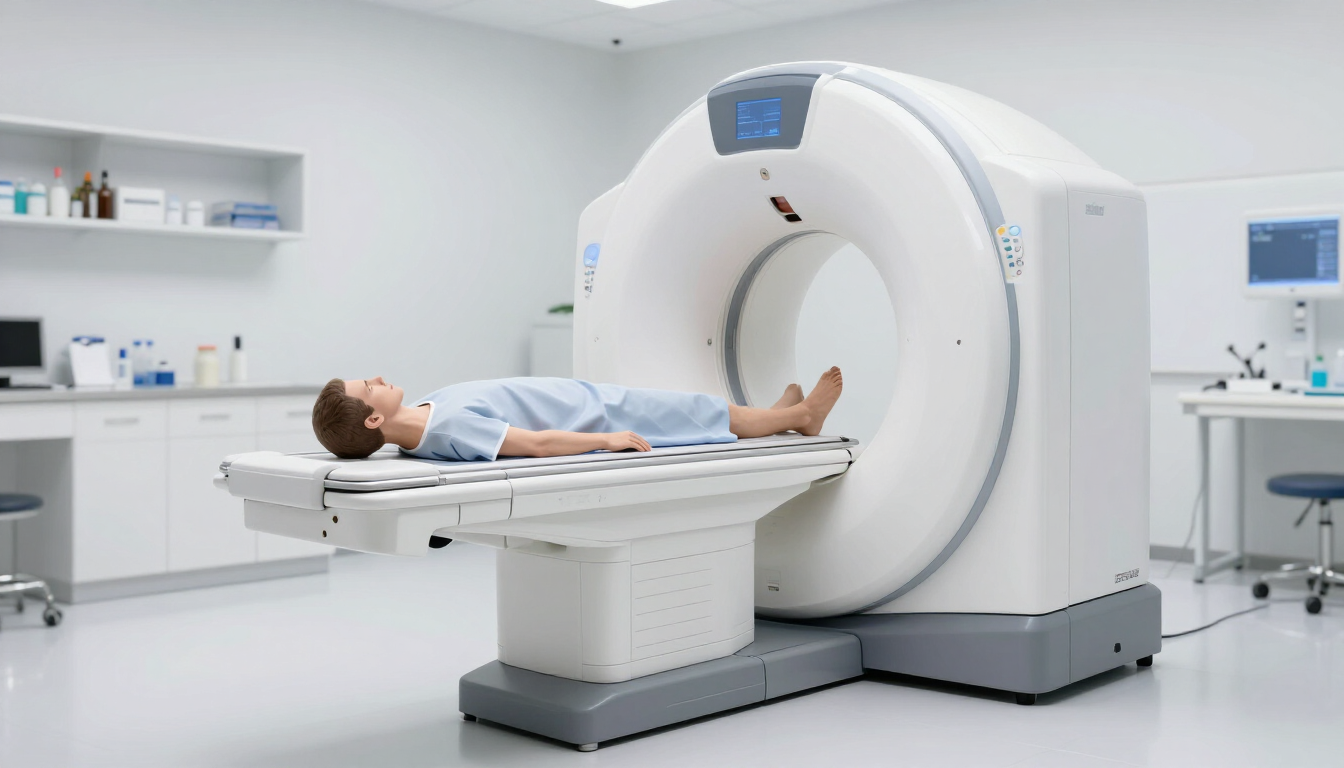
Patient lying on an MRI scanner bed in a bright medical imaging room
By Dr. Nadine Halliburton-Foster, MD July 18, 2026
You want clarity, not guesses. If you've been training, dialing in your nutrition, or working toward sustainable weight loss, a bathroom scale cannot tell you whether the right tissue is changing. A DEXA scan can. It maps your body with lab-grade precision so you can move better, train smarter, and age with strength.
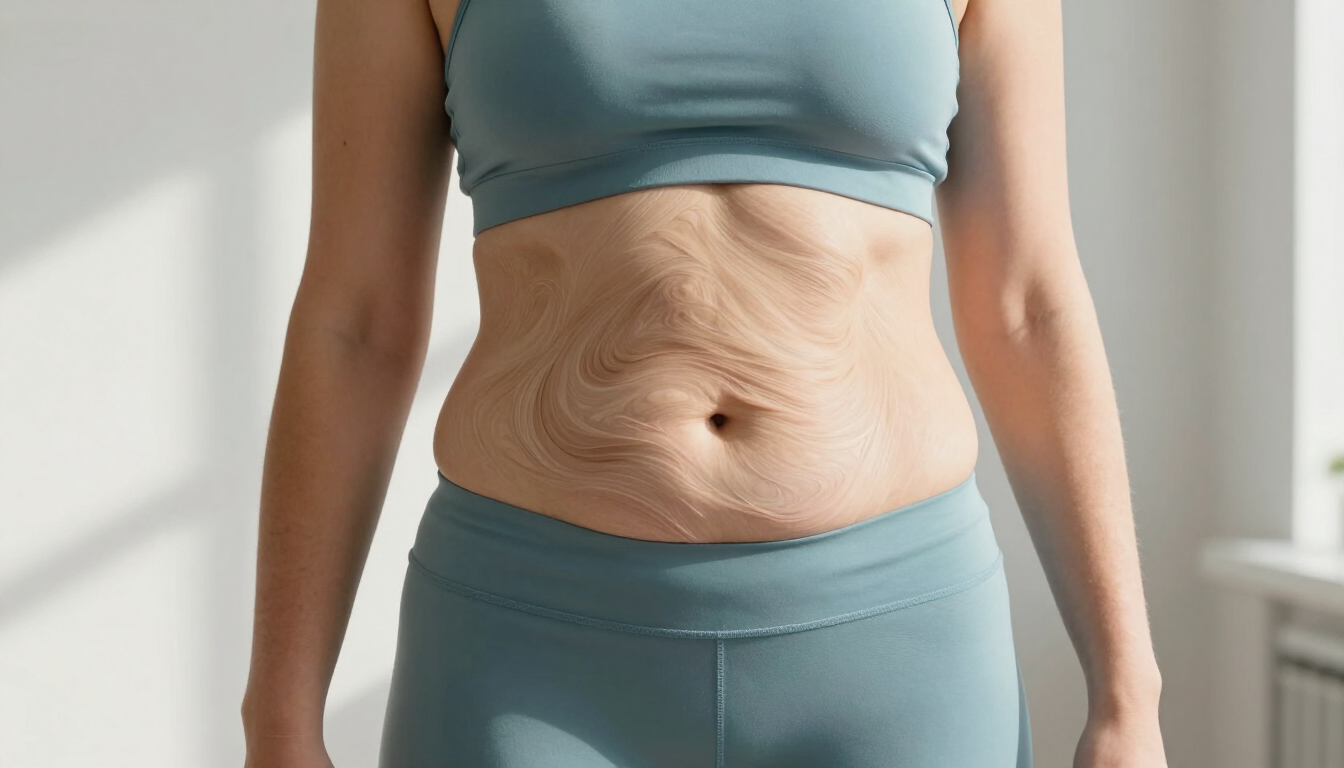
Person in teal workout clothes showing loose abdominal skin in a bright indoor setting
By Dr. Nadine Halliburton-Foster, MD July 18, 2026
What the evidence actually says. No supplements. No cleanses.

Modern medical room with CT scanner, monitors, and wheeled equipment in a clean clinical setting
By Dr. Nadine Halliburton-Foster, MD July 17, 2026
When your clinicians, trainers, and recovery team plan together, progress gets simpler and faster.

Assorted chocolate and vanilla truffles arranged in a pink two-tier box
By Dr. Nadine Haliburton-Foster, MD July 16, 2026
Not all fat is created equal. One kind stores energy. The other burns it—and understanding the difference changes how we think about weight loss entirely.