

Hormone Imbalance in Men: Why Real Optimization Matters
Dr. Nadine Halliburton-Foster, MD • July 23, 2026

Your workouts stop producing results. Your energy disappears by mid-afternoon. The weight settles around your middle and refuses to leave.


It may not be age — it may be your hormones.

For many of the men I see, this shift happens so gradually that they barely notice it taking hold. They assume the fatigue, the softening physique, and the shorter fuse are simply the price of getting older—and they have often been told as much.


But in my experience, these changes are frequently the signs of a measurable, and correctable, decline in hormonal and metabolic health.


Testosterone and the hormones that surround it influence far more than libido or muscle. They shape how a man produces energy, stores fat, recovers from stress, thinks, sleeps, and protects his long-term health.


When that system drifts out of balance, the effects ripple across nearly every part of daily life.


Understanding why this happens—and why a single lab value rarely tells the whole story—is the first step toward getting your edge back.


The Hormonal Engine Behind How Men Feel and Perform

Testosterone is often called "the male hormone," but it operates as part of an interconnected system that also includes:

  • Growth hormone
  • Thyroid hormone
  • Insulin
  • Cortisol


Together, these hormones regulate:

  • Energy production
  • Lean muscle mass
  • Fat metabolism
  • Mood and motivation
  • Libido and sexual function
  • Cognitive focus
  • Sleep quality
  • Cardiovascular health


When this system begins to decline—often earlier than many men expect—the body shifts into a different physiological state.


Weight gain is frequently the first visible sign, but it is rarely the only one.


Many men also experience:

  • Persistent fatigue
  • Brain fog
  • Low libido
  • Irritability or low mood
  • Loss of strength
  • Stubborn belly fat
  • Poor recovery
  • Reduced motivation
  • Disrupted sleep


These symptoms can quietly erode confidence, performance, and quality of life long before a man realizes hormones may be involved.


Knowing the Signs: Subjective and Objective


Hormone imbalance reveals itself in two ways:

  • How you feel
  • What your bloodwork shows

Both matter, and the clearest picture comes from evaluating them together.


How You Feel — The Subjective Signs

Many men first notice:

  • Fatigue that sleep no longer fixes
  • Brain fog
  • Declining libido
  • Irritability
  • Flat mood
  • Increasing belly fat
  • Slower recovery
  • Reduced strength


What We Measure — The Objective Signs

Laboratory testing evaluates far more than testosterone alone.


Important markers include:

  • Total testosterone
  • Free testosterone
  • Sex Hormone-Binding Globulin (SHBG)
  • Insulin
  • C-Reactive Protein (CRP)
  • Apolipoprotein B (ApoB)


High SHBG may bind testosterone and reduce the amount available to tissues.


Elevated insulin may signal early metabolic dysfunction.


Inflammatory and cardiovascular markers often reveal broader systemic issues contributing to hormonal decline.


Symptoms tell us where to look. The labs tell us what's actually happening.

Symptoms tell us where to look. The labs tell us what's actually happening.


Why Optimization Is More Than a Testosterone Number

Many men assume that a "normal" testosterone level means everything should feel normal.


Hormones rarely work that simply.


Testosterone is only one part of a much larger system.


Other common barriers to feeling and performing your best include:


Insulin Resistance

Insulin is one of the body's strongest fat-storage hormones.


When insulin remains elevated:

  • Losing body fat becomes more difficult
  • Testosterone optimization becomes less effective


Elevated SHBG

SHBG binds testosterone in the bloodstream.


High SHBG can significantly reduce available testosterone despite a normal total testosterone level.


Chronic Stress

Persistently elevated cortisol can:

  • Suppress testosterone production
  • Increase abdominal fat
  • Reduce recovery
  • Disrupt sleep


Poor Sleep

Much of a man's daily testosterone production occurs during sleep.


Even modest sleep disruption may reduce hormone production while impairing recovery and insulin sensitivity.


Chronic Inflammation

Long-term inflammation interferes with:

  • Natural hormone production
  • Muscle growth
  • Fat metabolism


Hormone optimization is important—but it is often only one piece of a much larger puzzle.

Hormone optimization is important — but it is often only one piece

of a much larger puzzle.


A Comprehensive Approach — Not a Quick Fix


Long-term results come from improving the entire system rather than chasing one laboratory value.


1. Optimize the Foundation

Everything begins with:

  • Restorative sleep
  • Protein-focused whole-food nutrition
  • Progressive resistance training


Without these fundamentals, no therapy reaches its full potential.


2. Correct the Root Causes

The next priority is improving:

  • Insulin sensitivity
  • Body composition
  • Chronic inflammation


This creates the metabolic foundation that allows hormones to function properly.


3. Apply Precision Therapies

Only after building that foundation do physician-guided therapies become appropriate.


When indicated, treatment may include:

  • Bioidentical Hormone Replacement Therapy (BHRT)
  • Personalized peptide therapy through UVitale Peptides


Every treatment plan is individualized according to laboratory findings and personal goals.


Routine bloodwork ensures therapy remains both safe and effective over time.


What Responsible Optimization Supports


When hormones are properly optimized under physician supervision, men commonly experience:

  • Increased lean muscle mass
  • Greater strength and power
  • Faster recovery
  • Improved body composition
  • Better energy
  • Sharper focus
  • More stable mood
  • Healthier cholesterol and blood pressure
  • Renewed motivation and vitality


These improvements reflect better health—not simply better laboratory numbers.


Body composition and metabolic markers are monitored alongside hormone levels to confirm meaningful progress.


The Real Danger of Doing It Yourself

The online market for testosterone and peptide therapy has grown rapidly.


Unfortunately, many men assume these therapies can be safely managed without medical supervision.


They cannot.


Without regular laboratory monitoring:

  • Hormone levels may become too high or too low
  • Serious complications may go unnoticed


Potential risks include:

  • Blood clots
  • Elevated red blood cell counts
  • Mood instability
  • Heart strain
  • Liver stress


Underlying thyroid, cardiovascular, or prostate conditions may also remain undiagnosed.


Hormones are powerful medical tools.


When used under physician supervision, they can be transformative.


Without that guidance, they become unnecessary risks.


The Bottom Line

If your body no longer feels like it once did, you're probably not imagining it.


Hormonal and metabolic health influence nearly every aspect of how men:

  • Feel
  • Perform
  • Recover
  • Age


Successful hormone optimization is rarely about a single testosterone number.


Factors including:

  • Insulin sensitivity
  • SHBG
  • Cortisol
  • Sleep quality
  • Inflammation
  • Muscle mass
  • Recovery

all determine how effectively your body produces and uses hormones.


Understanding these interconnected systems is what makes physician-guided optimization both safer and more effective than a do-it-yourself approach.


Frequently Asked Questions


My testosterone came back "normal," but I still feel off. What now?

This is extremely common.


A single laboratory value does not account for:

  • Free testosterone
  • SHBG
  • Insulin resistance
  • Cortisol
  • Sleep quality
  • Inflammation
  • Muscle loss

NuVitale evaluates the complete hormonal and metabolic picture to determine what's actually limiting your energy and performance.


Does NuVitale Life offer hormone optimization for men?

Yes.


Physicians provide comprehensive hormone evaluations and individualized treatment plans designed to support:

  • Energy
  • Body composition
  • Recovery
  • Athletic performance
  • Long-term vitality


Treatment recommendations are always based on laboratory findings and clinical evaluation.


Is testosterone therapy safe?

When medically supervised, individualized, and monitored through regular bloodwork, testosterone therapy can be both safe and effective for appropriate candidates.


Risks increase substantially when therapy is self-directed or obtained outside of medical supervision.


Do you offer peptide therapy?

Yes.


Qualified patients may receive personalized peptide protocols through UVitale Peptides to support:

  • Recovery
  • Healthy aging
  • Muscle preservation
  • Overall performance


How do you monitor treatment over time?

Hormone optimization is an ongoing process.


Routine laboratory testing and careful dose adjustments help maintain optimal hormone levels while ensuring treatment continues to fit your body and evolving goals.


How do recovery and diagnostic therapies fit in?

Recovery and measurement are central to lasting results.


NuVitale offers services including:

  • DEXA body composition
  • VO₂ Max testing
  • Hyperbaric Oxygen Therapy (HBOT)
  • Red Light Therapy
  • IV Therapy
  • Infrared sauna
  • Chiropractic care
  • Sports medicine

These therapies support recovery, energy production, and overall wellness.


How do I get started?

The first step is scheduling a consultation.


During your visit, you'll review:

  • Health history
  • Symptoms
  • Goals
  • Laboratory findings


Together, you'll build a personalized plan designed to help you feel better, perform better, and live with greater vitality.

About the Author


Dr. Nadine Halliburton-Foster, MD
Chief Medical Officer of NuVitale Life. Dr. Halliburton-Foster specializes in preventive medicine, hormone optimization, metabolic health, longevity-focused care, and personalized wellness strategies designed to help patients maximize their healthspan, vitality, and quality of life.

Ready to find out where you stand?


Schedule a consultation to map your full hormonal and metabolic picture and build a personalized plan tailored to your health, performance, and long-term vitality.

Woman exercising on a cardio machine in a gym, wearing a face mask and workout clothes.
By Dr. Nadine Halliburton-Foster, MD July 26, 2026
Learn how VO₂ Max testing at NuVitale boosts fat burning & training. Get personalized cardio zones for optimal fitness results.
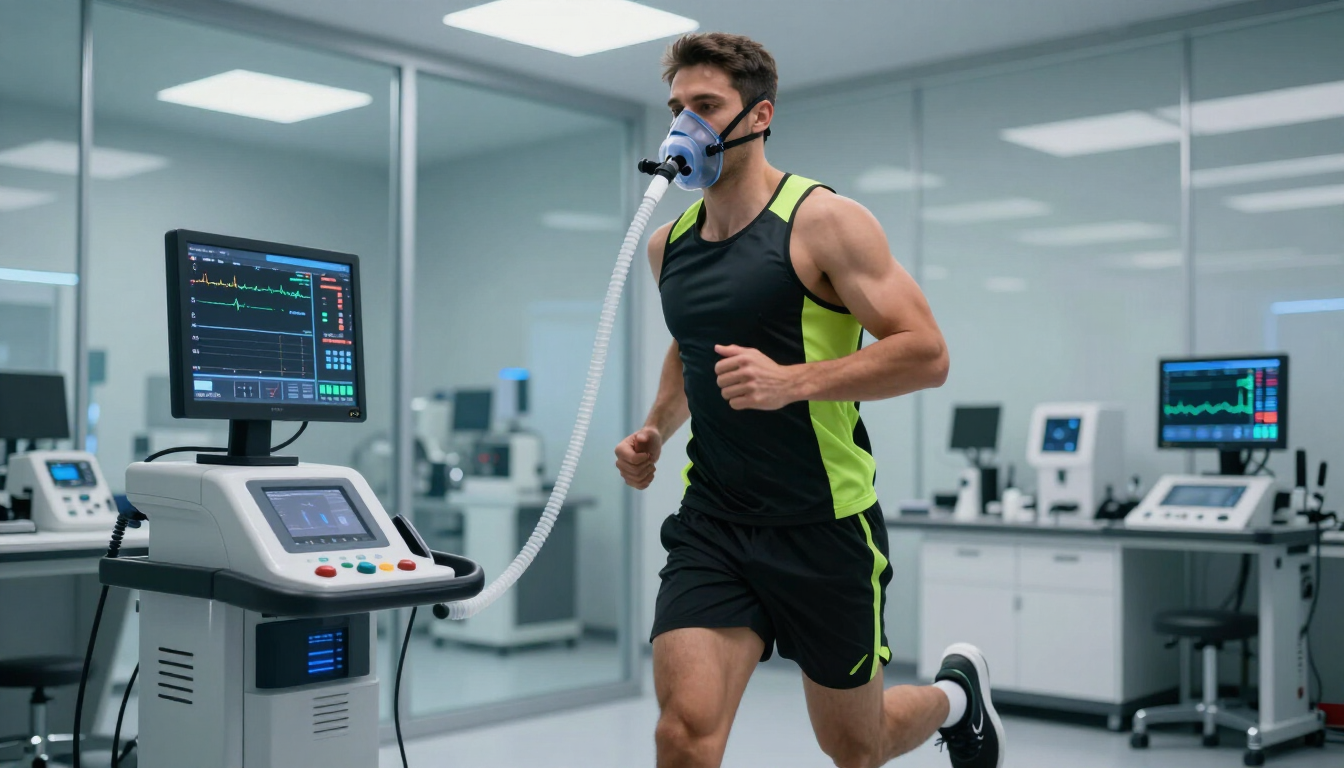
Runner on treadmill in a bright lab, wearing a breathing mask and monitoring workout equipment.
By Dr. Nadine Halliburton-Foster, MD July 25, 2026
Understand VO₂ max testing's role in health. Optimize your healthspan with personalized plans at NuVitale. Schedule your test today!
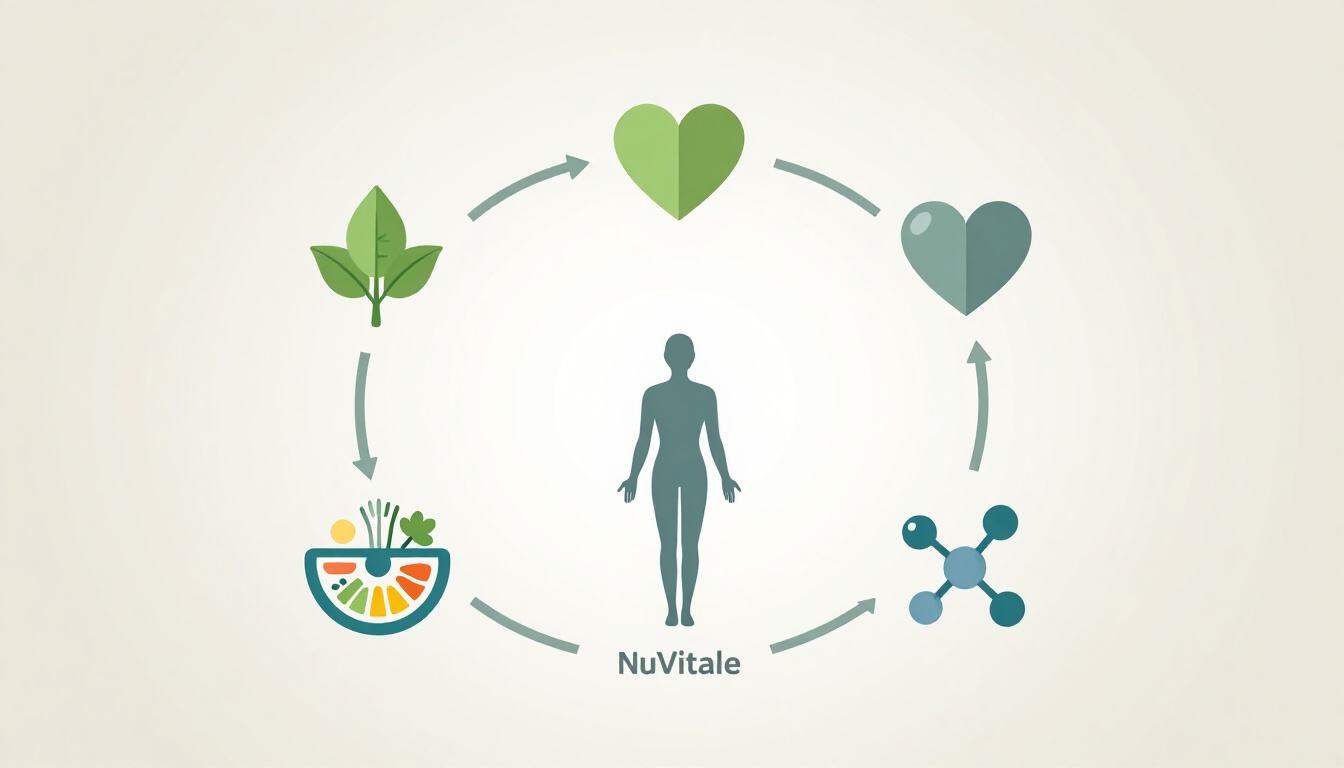
Circular infographic with green icons around a central human silhouette and “NUTRILE” at the bottom
By Dr. Nadine Halliburton-Foster, MD July 24, 2026
NuVitale designs integrated wellness programs tailored to your needs. Contact us to start your journey to better health!

Woman jogging indoors in teal sportswear with fitness graphics in the background
By Dr. Nadine Halliburton-Foster, MD July 22, 2026
NuVitale offers a physician-led approach to lasting weight loss by tackling metabolic issues. Start your journey to better health today!

Doctor consulting with a patient in a clinic, with a tablet showing health charts nearby.
By Dr. Nadine Halliburton-Foster, MD July 21, 2026
You cut calories. You start exercising. You make healthier choices. Yet week after week, the scale barely moves.
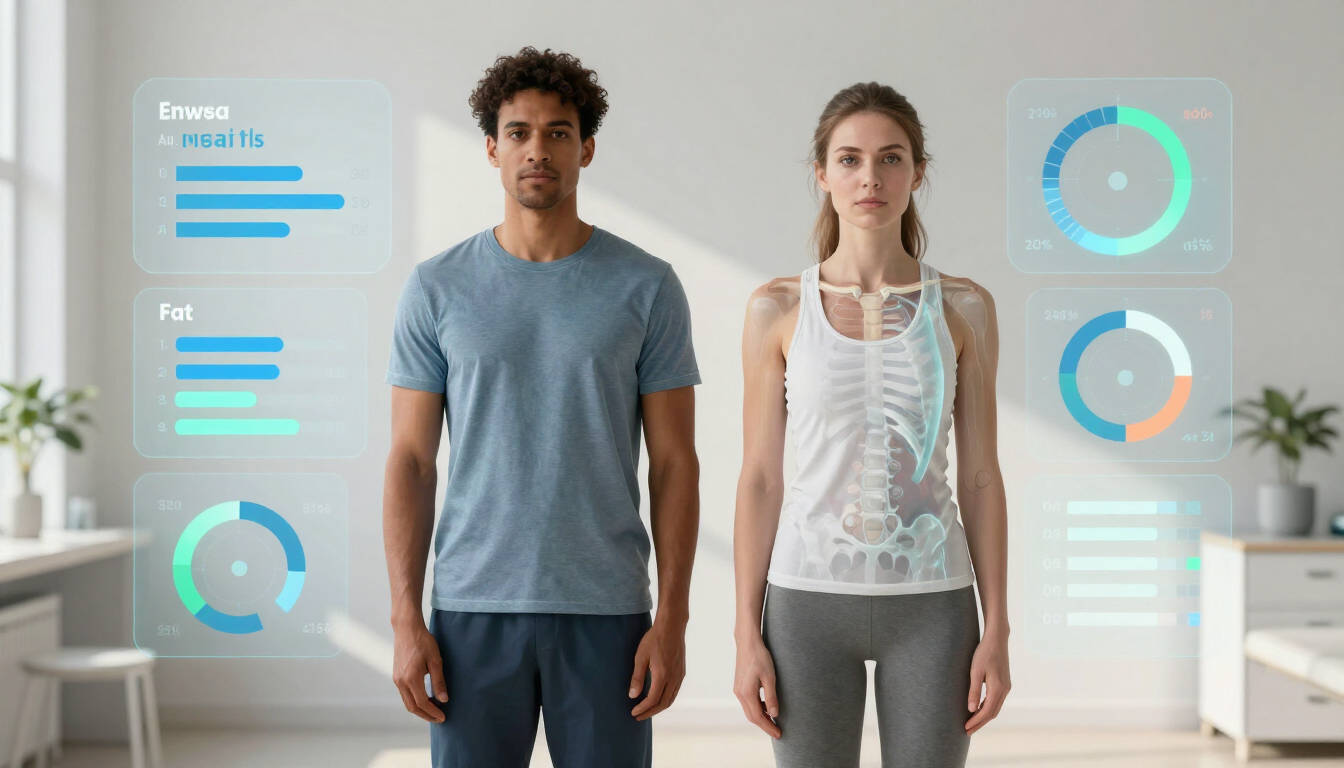
Two people standing in a bright room with blue health-data overlays on the wall
By Dr. Nadine Halliburton-Foster, MD July 19, 2026
You deserve more than a bathroom scale and a BMI chart. Numbers without context can push you toward the wrong goals, the wrong plan, and the wrong expectations.
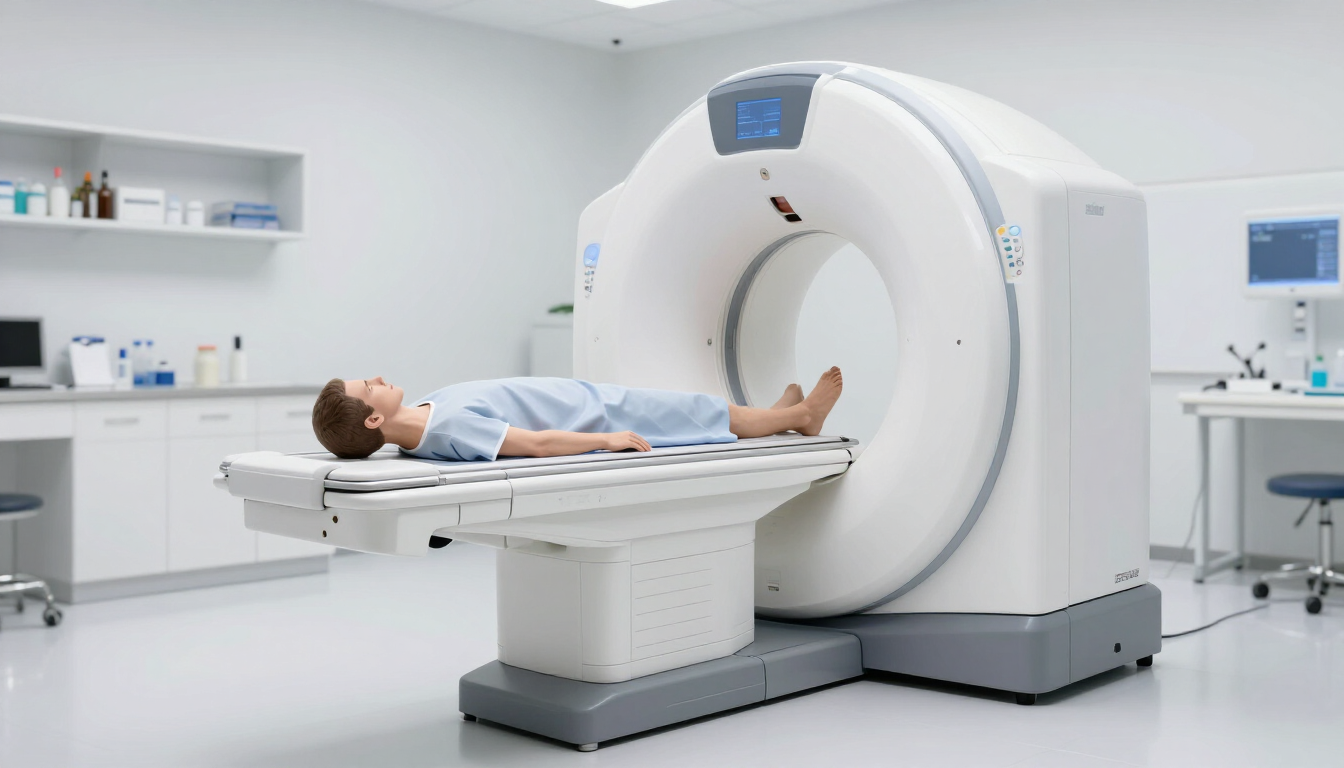
Patient lying on an MRI scanner bed in a bright medical imaging room
By Dr. Nadine Halliburton-Foster, MD July 18, 2026
You want clarity, not guesses. If you've been training, dialing in your nutrition, or working toward sustainable weight loss, a bathroom scale cannot tell you whether the right tissue is changing. A DEXA scan can. It maps your body with lab-grade precision so you can move better, train smarter, and age with strength.

Person in teal workout clothes showing loose abdominal skin in a bright indoor setting
By Dr. Nadine Halliburton-Foster, MD July 18, 2026
What the evidence actually says. No supplements. No cleanses.
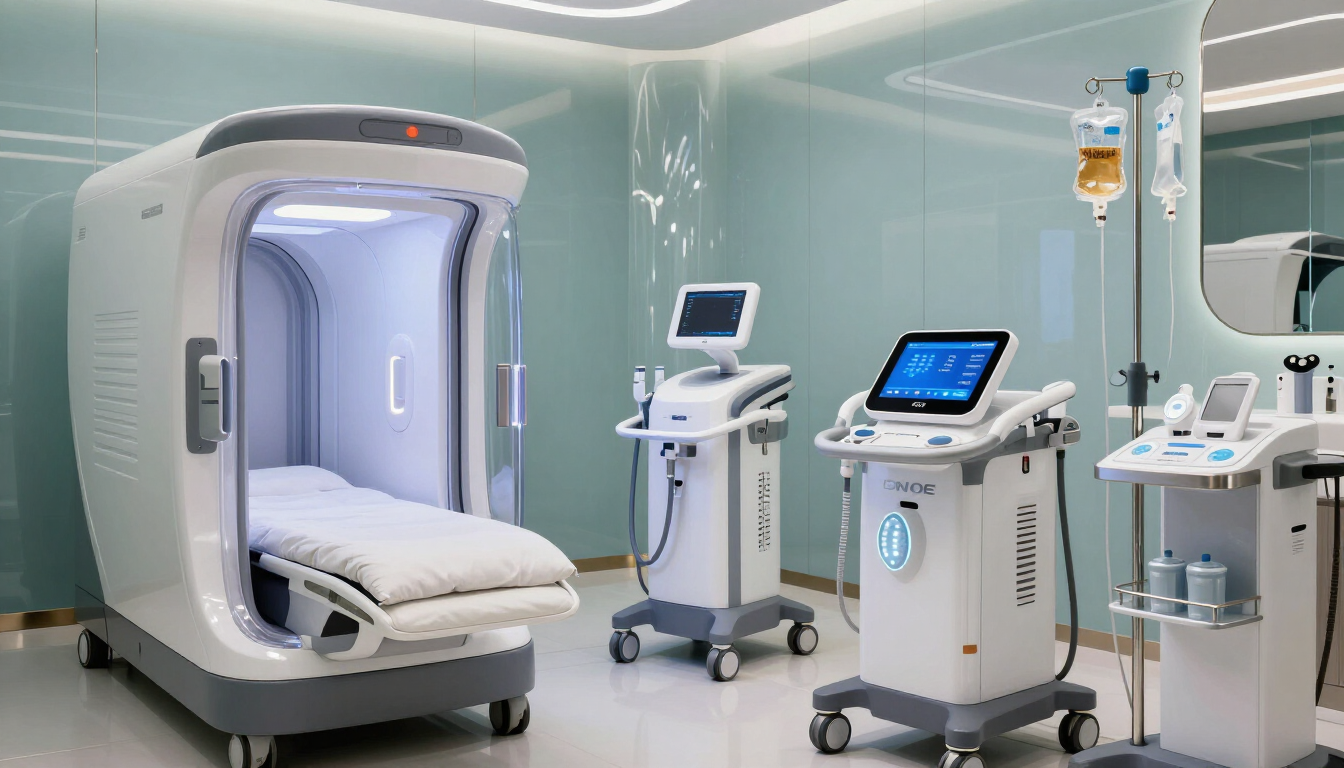
Modern medical room with CT scanner, monitors, and wheeled equipment in a clean clinical setting
By Dr. Nadine Halliburton-Foster, MD July 17, 2026
When your clinicians, trainers, and recovery team plan together, progress gets simpler and faster.

Assorted chocolate and vanilla truffles arranged in a pink two-tier box
By Dr. Nadine Haliburton-Foster, MD July 16, 2026
Not all fat is created equal. One kind stores energy. The other burns it—and understanding the difference changes how we think about weight loss entirely.