
If you are guessing your cardio intensity, you are leaving results on the table.
True VO₂ Max and metabolic testing remove the guesswork so every minute you train works for you—not against you.
At NuVitale in Suwanee, we use clinical gas analysis to pinpoint your aerobic and anaerobic thresholds, your personalized fat-burning zone, and the interval targets that move your fitness forward.
We connect:
- VO₂ Max testing
- PNOE metabolic testing
- Resting Metabolic Rate (RMR)
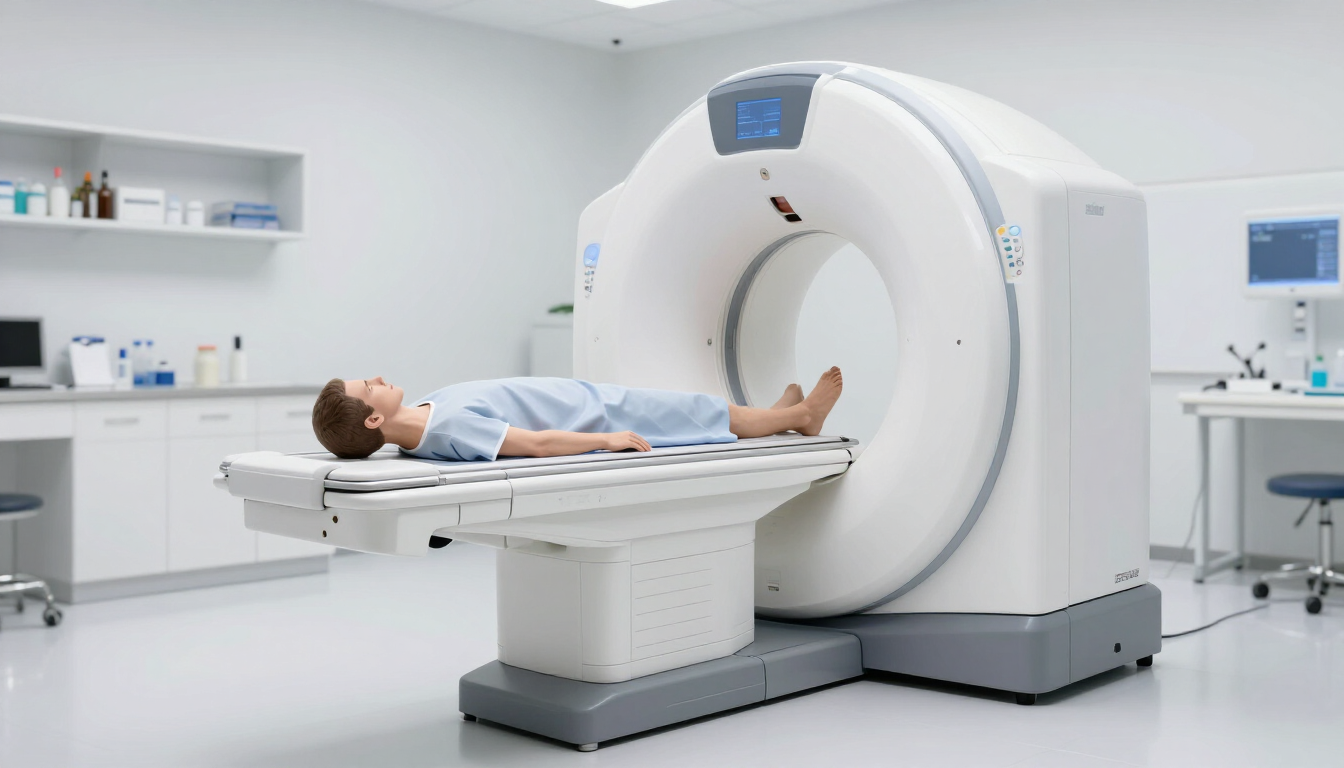
- DEXA body composition
- Movement screening
into one coordinated plan.
We do not guess, we test.
Whether you are rebuilding fitness, preparing for race season, or trying to lose fat while protecting lean muscle, this guide explains how to understand your cardio zones and apply them to your everyday training.
VO₂ Max and Thresholds, Explained in Plain Language
VO₂ Max is the maximum amount of oxygen your body can take in, transport, and use during intense exercise.
It is measured in mL/kg/min and is strongly associated with:
- Better cardiovascular fitness
- Improved mitochondrial function
- Lower all-cause mortality risk
However, VO₂ Max alone is only part of the picture.
The real precision comes from understanding your ventilatory thresholds.
Aerobic Threshold (VT1)
This is the point where breathing and heart rate begin rising more noticeably.
Below VT1:
- Easy endurance work
- Primary fat-burning zone
- Aerobic base development
Anaerobic Threshold (VT2)
Often close to lactate threshold.
Above VT2:
- Carbohydrates become the dominant fuel
- Sustainable exercise time decreases rapidly
Accurate laboratory testing maps VT1 and VT2 to your actual heart-rate zones, eliminating guesswork from training.
How Metabolic Testing Is Done at NuVitale
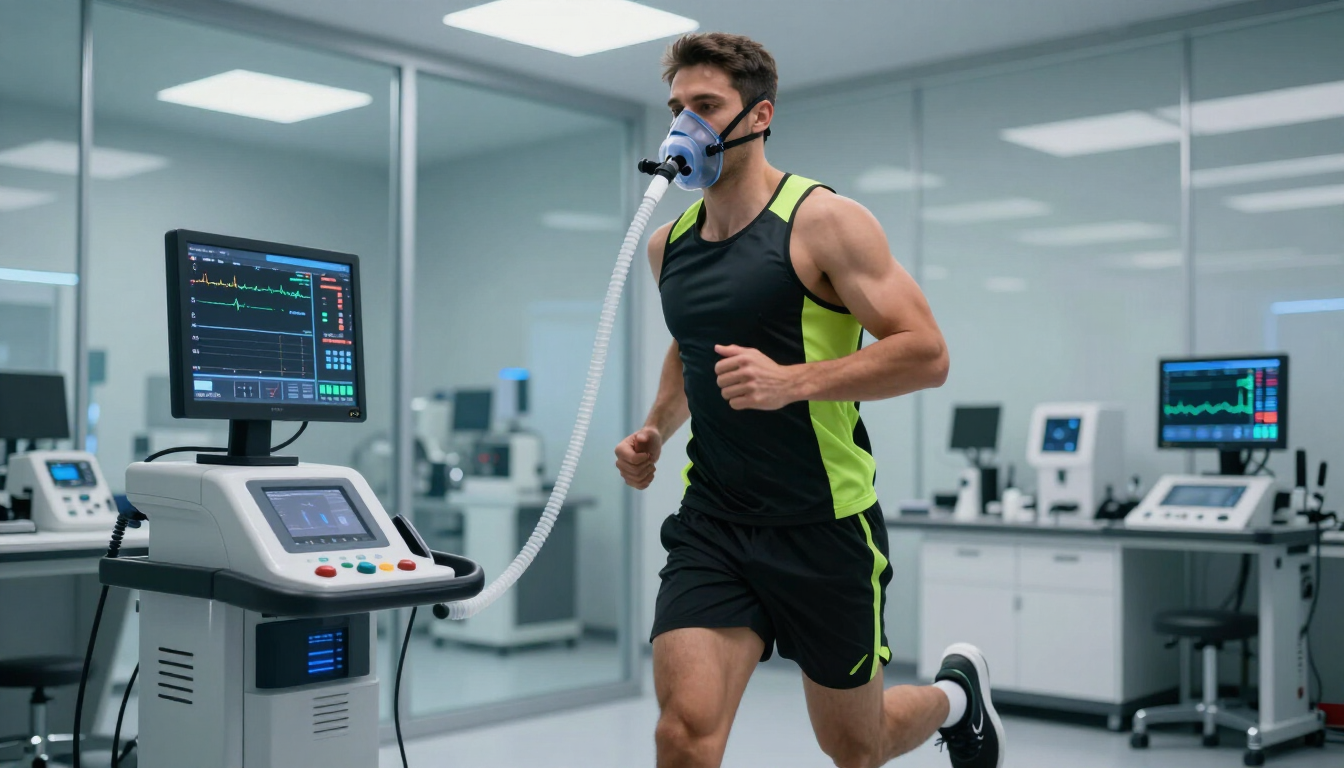
Your session is performed under clinician supervision using either:
- A treadmill
- A cycle ergometer
while wearing a breathing mask connected to a metabolic cart.
PNOE technology measures oxygen consumption (VO₂) and carbon dioxide production (VCO₂) breath by breath while exercise intensity gradually increases.
During testing we record:
- Heart rate
- Ventilatory thresholds
- Respiratory Exchange Ratio (RER)
- Rate of perceived exertion
- Speed or cadence
- Fat versus carbohydrate utilization at different exercise intensities
Many patients also complete a Resting Metabolic Rate (RMR) assessment during the same visit.
RMR is a relaxed 10–20 minute breathing assessment that measures:
- Calories burned at rest
- Metabolic flexibility
When combined with:
- DEXA
- VO₂ Max
- PNOE
patients receive a comprehensive blueprint for both training and nutrition.
Stop guessing your cardio. Your thresholds are personal—your zones should be too.
Wearables Versus Lab Testing
Fitness watches and phone apps estimate VO₂ Max using:
- Heart rate
- Pace
- Heart-rate variability
While helpful for tracking long-term trends, they often miss your true ventilatory thresholds because of:
- Sensor limitations
- Algorithm assumptions
- Day-to-day variability
Clinical metabolic testing remains the gold standard when precision matters.
Reading Your Personalized Zone Map
After testing, you'll receive a simple color-coded zone map tied to:
- Heart rate
- Power (when applicable)
- Pace (when applicable)
Your report also identifies the heart-rate range where you burn the greatest amount of fat at a sustainable intensity.
This is your personal fat-burning zone, not one based on generic online calculators.
Zone 1 to Low Zone 2
- Recovery
- Base building
- Highest relative fat oxidation
Mid to High Zone 2
Ideal for:
- Endurance
- Mitochondrial development
- Metabolic health
Zone 3
Steady tempo work that increases sustainable speed.
Zones 4–5
High-intensity intervals that improve:
- VO₂ Max
- Speed
- Lactate clearance
Turn Numbers Into Weekly Training
A balanced weekly plan might include:
Intervals
1–2 sessions per week
Example:
- 4–6 repetitions
- 2–4 minutes each
- Equal recovery between intervals
Tempo Work
1 session weekly
Example:
- 20–30 minutes continuous
- Or divided into 2–3 segments
Endurance
2–3 Zone 2 sessions
Maintain conversational breathing while staying below VT1.
Recovery
Easy Zone 1 movement combined with mobility work and light strength training following harder workouts.
Progress comes from changing one training variable at a time, usually:
- Weekly volume
- Then interval density
- Then intensity
Retesting every 8–12 weeks confirms your progress.
How VO₂ Max Testing Supports Fat Loss
Fat loss requires more than simply burning calories.
An integrated plan combines:
Resting Metabolic Rate (RMR)
Determines:
- Baseline calorie needs
- Protein targets
- Energy expenditure
PNOE Testing
Shows:
- Peak fat oxidation
- When fat burning begins to decline
allowing cardio intensity to be adjusted for maximum efficiency.
VO₂ Max & Threshold Testing
Keeps easy workouts easy and hard workouts appropriately challenging, improving recovery and long-term progress.
DEXA Body Composition
Tracks:
- Body fat
- Visceral fat
- Lean muscle mass
ensuring you're losing fat rather than muscle.
Safety and Who Benefits
VO₂ Max testing is appropriate for:
- Healthy adults
- Recreational exercisers
- Endurance athletes
- Team-sport athletes
- Individuals returning to fitness
- Anyone who has reached a plateau
Before testing, clinicians evaluate:
- Medical history
- Heart rate
- Exercise readiness
Testing is monitored continuously and stopped whenever medically appropriate or whenever the patient chooses.
What Is a Good VO₂ Max?
Your ideal VO₂ Max depends on:
- Age
- Sex
- Training history
- Sport
- Altitude
- Body composition
Rather than chasing someone else's number, NuVitale focuses on your improvement over time.
Signs of progress include:
- Higher VO₂ Max
- Lower heart rate at the same pace
- Greater fat utilization
- Improved endurance
How to Get Tested and What to Expect
Scheduling is straightforward.
Many appointments and diagnostic tests are available the same day, including Saturday appointments by request.
Before Your Appointment
- Wear comfortable workout clothing.
- Bring your usual running or cycling shoes.
- Stay hydrated.
- Avoid:
- Heavy meals
- Alcohol
- Intense exercise
during the 12 hours before testing.
After Testing
You'll receive:
- Personalized cardio zones
- Key performance insights
- Step-by-step training recommendations
- Movement screening and sports chiropractic services may also be coordinated when appropriate.
One Roof, One Coordinated Plan
NuVitale integrates every aspect of your performance plan.
Your:
- Hormone physician
- Sports chiropractor
- Nutrition team
- Performance specialists
all work together.
Your:
- DEXA results influence nutrition.
- VO₂ zones guide cardio.
- Movement assessments improve mechanics.
- Recovery strategies support long-term progress.
- The result is one coordinated, physician-guided plan designed around your metabolism, recovery, and performance.
Frequently Asked Questions
What is the metabolic test for athletes?
At NuVitale, metabolic testing combines VO₂ Max and PNOE analysis to determine:
- Ventilatory thresholds
- Fuel utilization
- Personalized training zones
Testing is often paired with RMR and DEXA.
How is metabolic testing performed?
You exercise on a treadmill or bike while wearing a breathing mask connected to a metabolic cart that measures oxygen and carbon dioxide breath by breath.
Are metabolism tests accurate?
Clinician-supervised gas analysis is considered the gold standard.
Wearables are useful for trends but are less accurate for personalized training.
Is an RMR test worthwhile?
Yes.
It provides calorie targets based on your actual physiology rather than prediction formulas.
What is a good VO₂ Max for an athlete?
It varies according to:
- Sport
- Age
- Sex
The most important measure is your progress over time.
How do you get tested for VO₂ Max?
Schedule testing at a clinic equipped with a metabolic cart and trained staff.
At NuVitale, same-day appointments are often available.
Are VO₂ Max tests worth it?
Yes.
Accurate testing creates more effective training zones, reduces plateaus, and helps every workout become more productive.
Can I test my own VO₂ Max?
Wearables and field tests can estimate VO₂ Max.
Only laboratory testing directly measures gas exchange and ventilatory thresholds.
Will insurance cover VO₂ Max testing?
Coverage depends on your insurance plan and medical necessity.
HSA and FSA documentation is available when appropriate.
How much does VO₂ Max testing cost?
Pricing depends on whether testing is completed alone or bundled with DEXA and PNOE.
- Flexible payment options, including Cherry financing, are available.
About the Author
Dr. Nadine Halliburton-Foster, MD
Chief Medical Officer of NuVitale Life. Dr. Halliburton-Foster specializes in preventive medicine, hormone optimization, metabolic health, longevity-focused care, and personalized wellness strategies designed to help patients maximize their healthspan, vitality, and quality of life.
See your engine, then raise it.
Call or text (678) 304-0480, email info@nuvitalelife.com, or schedule your VO₂ Max test and integrated performance consultation to build a personalized plan for better fitness, performance, and longevity.