
What a DEXA Scan Reveals About Your Body That a Scale Never Could: A Suwanee Longevity Guide
Dr. Nadine Halliburton-Foster, MD • July 18, 2026

We test, then we integrate. Clarity creates momentum.

You want clarity, not guesses. If you've been training, dialing in your nutrition, or working toward sustainable weight loss, a bathroom scale cannot tell you whether the right tissue is changing. A DEXA scan can.


It maps your body with lab-grade precision so you can move better, train smarter, and age with strength.

At NuVitale in Suwanee, DEXA is part of an integrated, data-driven performance lab. You can pair it with PNOE metabolic testing, VO2 Max testing, sport-specific movement assessments, physician-led optimization, sports chiropractic care, and recovery therapies—all under one roof and coordinated into one personalized plan.


We don't guess. We test.


Why DEXA Beats the Scale

A scale only shows total body weight. It cannot distinguish fat from lean muscle or reveal where each is located.


A DEXA (Dual-Energy X-ray Absorptiometry) scan provides a detailed body composition map in under five minutes using very low radiation exposure.


What DEXA Measures

  • Regional body fat (torso, android and gynoid regions, hips, arms, legs, and asymmetries)
  • Lean muscle mass by limb
  • Visceral adipose tissue (VAT), the fat surrounding internal organs
  • Bone Mineral Density (BMD)


These measurements provide valuable insight when your goals include building strength, protecting joints, improving athletic performance, and supporting long-term health.


An endurance athlete, for example, may reduce visceral fat while maintaining leg muscle—even if the number on the scale barely changes.


A scale shows weight. DEXA shows what is actually changing.


From Numbers to Action: How We Translate Results

Testing only matters if it changes your plan.


After your DEXA scan, our performance team combines your results with PNOE metabolic testing, VO2 Max data, and a movement assessment to create individualized training and nutrition strategies.


Strength and Asymmetries

If DEXA identifies a 7% lean muscle imbalance between legs, we design unilateral strength programs and tempo work to close the gap.

Golfers and runners benefit from improved rotational balance and hip stability, while CrossFit athletes improve shoulder symmetry and scapular control.


Fat Loss While Preserving Muscle

Calories and macronutrients are based on your measured resting metabolic rate and fuel utilization from PNOE testing, then verified through repeat DEXA scans every 8–12 weeks.


Nutrition changes according to training phase and recovery demands—not guesswork.


Bone Health

If Bone Mineral Density is low, your plan emphasizes:

  • Progressive resistance training
  • Plyometrics (when appropriate)
  • Vitamin D and calcium intake
  • Hormone evaluation when indicated


Bone density is reassessed according to physician recommendations.


PNOE and VO2 Max: Precision for Training Zones and Fuel

PNOE metabolic testing evaluates how your body uses oxygen and carbon dioxide both at rest and during exercise.


It reveals:

  • Resting metabolic rate
  • Fat versus carbohydrate utilization
  • Ventilatory thresholds
  • Metabolic flexibility


VO2 Max testing measures your maximum oxygen uptake and establishes individualized heart rate and power training zones.


Why This Matters


Precise Training Zones

Receive exact Zone 2, tempo, threshold, and interval training prescriptions instead of relying on generalized charts.


Improved Metabolic Flexibility

Efficiently switching between carbohydrates and fat improves performance, recovery, and body composition.


In your data, this appears as:

  • Lower respiratory exchange ratio during submaximal exercise
  • Earlier fat utilization
  • Delayed carbohydrate dependence


Better Fueling Strategy

We align carbohydrate intake with high-intensity training days, prioritize protein for muscle retention, and match total calorie intake to measured energy expenditure instead of estimates.


Movement Screens That Prevent Setbacks

If you're serious about sport-specific performance, our team converts VO2 Max results into weekly training programs with integrated strength, agility, mobility, and recovery.


Movement assessments evaluate:

  • Joint mobility
  • Posture
  • Gait mechanics
  • Single-leg stability
  • Core endurance
  • Shoulder mechanics
  • Squat
  • Hinge
  • Push
  • Pull
  • Rotation
  • Landing mechanics


We combine these findings with DEXA asymmetry data to identify the root causes of recurring tightness, tendon pain, or power leaks.


Sports chiropractic care, dry needling, shockwave therapy, and corrective exercise reinforce lasting improvements.


Practical Takeaways by Sport


Runners

  • Use VO2 Max and ventilatory thresholds to determine training pace.
  • Correct DEXA-identified leg imbalances through eccentric calf and hip strengthening.
  • Track visceral fat reduction while preserving lean muscle.
  • Fuel long runs with targeted carbohydrate intake.


Cyclists

  • Build aerobic capacity using precise Zone 2 wattage.
  • Add threshold and VO2 interval training.
  • Improve trunk strength if lean mass is low.
  • Confirm body composition changes with DEXA every 8–12 weeks.


Pickleball Players

Improve cardiovascular fitness using the sport's stop-and-go movement patterns.


Combine court drills with:

  • Lower-body strength
  • Lateral movement training
  • Mobility work

Use VO2 testing to determine whether endurance or recovery is limiting performance.

Track progress every 8–12 weeks using repeat DEXA and VO2 testing.


CrossFit Athletes

If DEXA reveals arm asymmetry:

  • Improve shoulder stability
  • Increase thoracic mobility
  • Pace workouts using PNOE heart rate guidance
  • Schedule recovery weeks strategically
  • Monitor Bone Mineral Density to support high-impact training


Golfers

Improve clubhead speed through rotational power and anti-rotation strength while correcting lower-body asymmetries.

Zone 2 conditioning also improves endurance and focus throughout an entire round.


Retesting Cadence and What Progress Looks Like


Recommended Retesting Schedule

  • DEXA Body Composition: Every 8–12 weeks during active transformation.
  • Bone Mineral Density: Quarterly or as recommended by your physician.
  • PNOE & VO2 Max: Every 3–6 months or after completing a training block.


Real progress often looks like:

  • Stable body weight
  • Higher lean muscle percentage
  • Lower visceral fat
  • Faster recovery heart rate
  • Greater power output
  • Improved pace with less perceived effort


Your plan should evolve as your data changes.


Integrated Care, One Coordinated Plan

NuVitale's team includes board-certified physicians, sports chiropractors, nutritionists, and recovery specialists who collaborate through shared medical records and regular case reviews.


That means:

  • Your hormone physician communicates with your chiropractor.
  • Nutrition plans reflect your PNOE and VO2 testing.
  • Strength programming aligns with your movement assessment.


Many evaluations can be completed in a single visit, and same-day appointments are often available.


How to Get Started in Suwanee

Book your DEXA scan and performance testing at NuVitale.


Many athletes complete:

  • DEXA
  • PNOE
  • VO2 Max
  • Movement Assessment

during one appointment before meeting with our team to develop a personalized performance plan.


If your goal is physician-guided fat loss while preserving muscle, our medical weight loss program combines DEXA, nutrition, training, and prescription therapies when appropriate.


Telehealth follow-up appointments are also available when suitable.


Frequently Asked Questions


What is a good VO2 Max for an athlete?

It depends on your sport, age, sex, and training history.

  • Recreationally trained adults commonly score in the mid-40s to 50s mL/kg/min.
  • Competitive endurance athletes often reach the 60s to 70s.
  • Elite endurance athletes may exceed 80.


The best benchmark is your own progress over time.


Are VO2 Max tests worth it?

Yes—when you use the data.

VO2 testing identifies training zones, performance limiters, and fueling strategies while eliminating months of trial and error.


How do you get tested for VO2 Max?

You perform a graded exercise test on a treadmill or stationary bike while wearing a breathing mask that measures oxygen and carbon dioxide exchange.

Heart rate and workload increase until maximum effort is reached under professional supervision.


What is the metabolic test for athletes?

PNOE metabolic testing measures oxygen consumption and carbon dioxide production during rest and exercise to determine:

  • Energy expenditure
  • Fuel utilization
  • Ventilatory thresholds
  • Metabolic efficiency


What is the movement assessment for athletes?

A structured evaluation of mobility, stability, and movement patterns including:

  • Squat
  • Hinge
  • Lunge
  • Push
  • Pull
  • Rotation
  • Walking gait


Sport-specific movements are also assessed to guide corrective exercise and performance programming.


About the Author

Dr. Nadine Halliburton-Foster, MD
Chief Medical Officer of NuVitale Life. Dr. Halliburton-Foster specializes in preventive medicine, hormone optimization, metabolic health, longevity-focused care, and personalized wellness strategies designed to help patients maximize their healthspan, vitality, and quality of life.


See your data and act on it.


Book your DEXA scan, PNOE metabolic testing, VO2 Max assessment, and movement screen in a single visit, then turn your results into a personalized, coordinated performance plan.

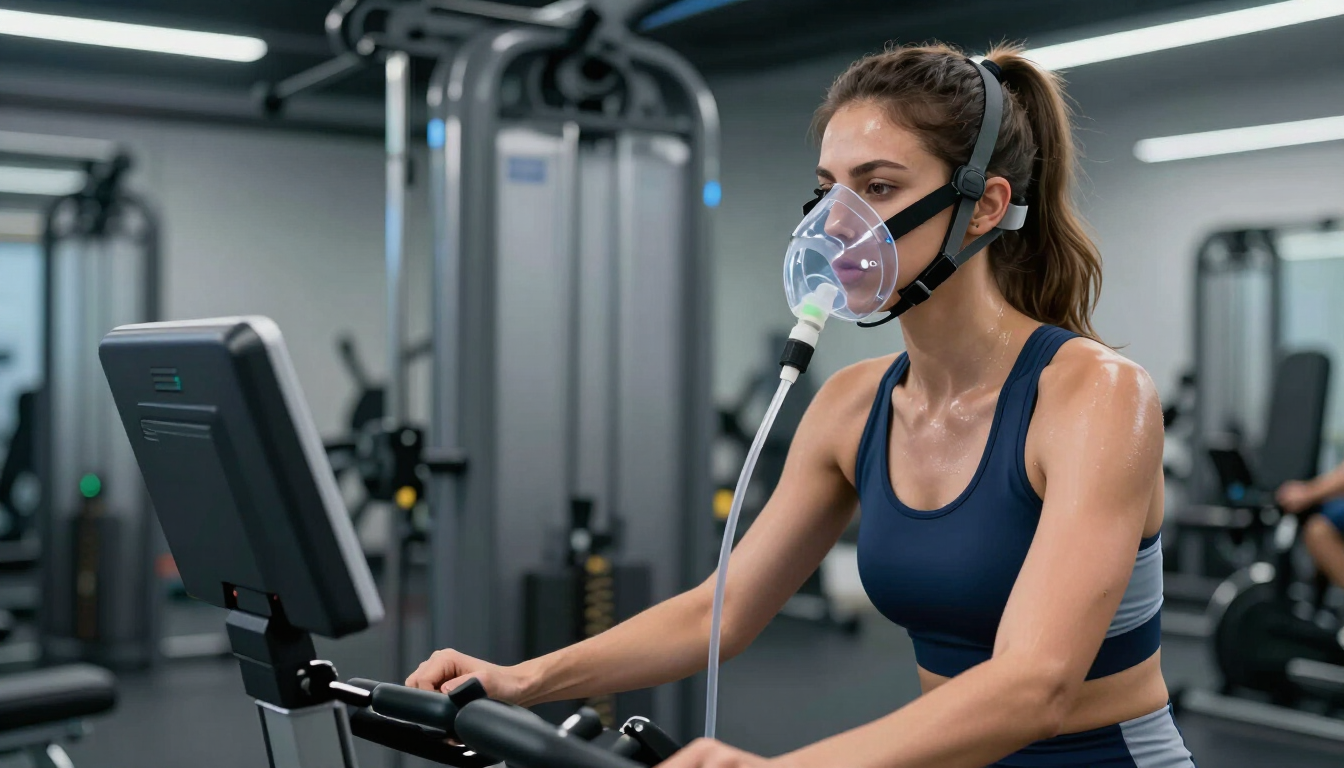
Woman exercising on a cardio machine in a gym, wearing a face mask and workout clothes.
By Dr. Nadine Halliburton-Foster, MD July 26, 2026
Learn how VO₂ Max testing at NuVitale boosts fat burning & training. Get personalized cardio zones for optimal fitness results.
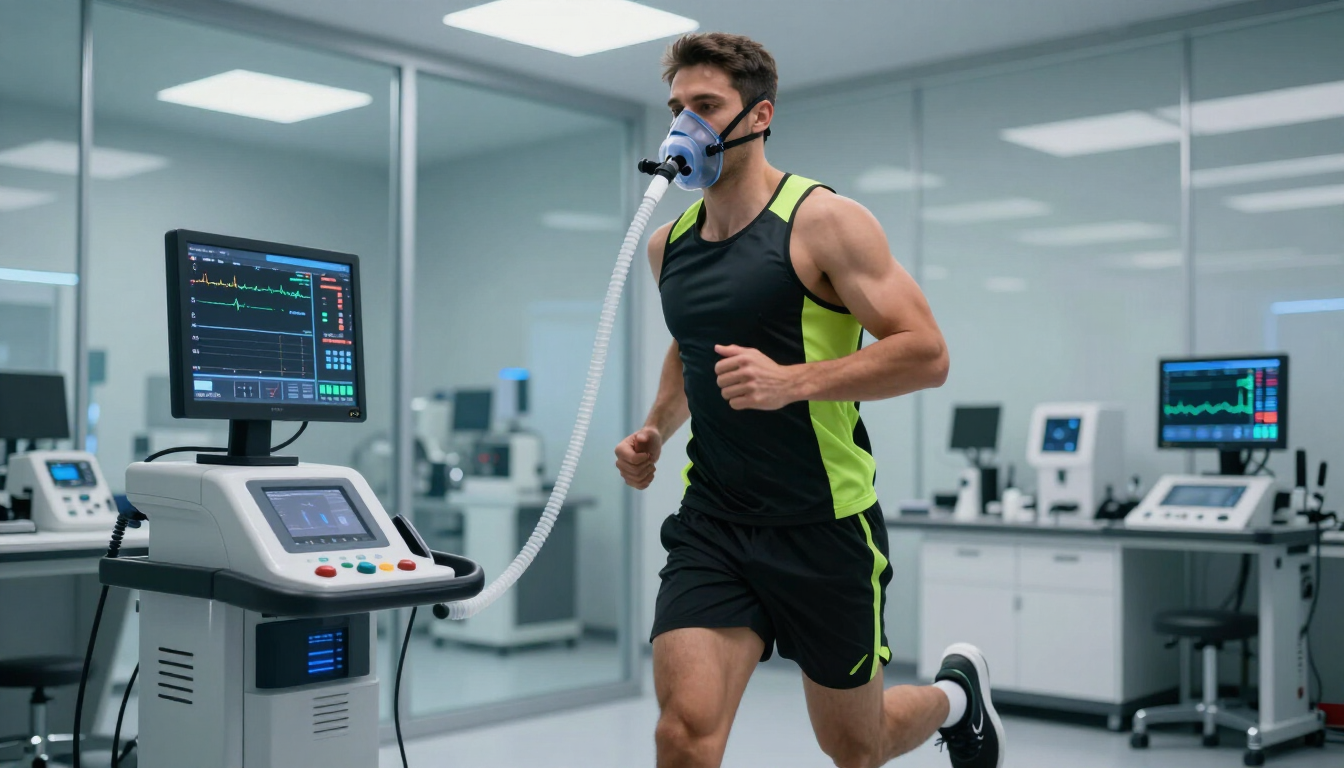
Runner on treadmill in a bright lab, wearing a breathing mask and monitoring workout equipment.
By Dr. Nadine Halliburton-Foster, MD July 25, 2026
Understand VO₂ max testing's role in health. Optimize your healthspan with personalized plans at NuVitale. Schedule your test today!
Circular infographic with green icons around a central human silhouette and “NUTRILE” at the bottom
By Dr. Nadine Halliburton-Foster, MD July 24, 2026
NuVitale designs integrated wellness programs tailored to your needs. Contact us to start your journey to better health!

Man sitting on a bed, leaning forward and looking down, in a softly lit bedroom.
By Dr. Nadine Halliburton-Foster, MD July 23, 2026
Your workouts stop producing results. Your energy disappears by mid-afternoon. The weight settles around your middle and refuses to leave.  It may not be age — it may be your hormones.

Woman jogging indoors in teal sportswear with fitness graphics in the background
By Dr. Nadine Halliburton-Foster, MD July 22, 2026
NuVitale offers a physician-led approach to lasting weight loss by tackling metabolic issues. Start your journey to better health today!

Doctor consulting with a patient in a clinic, with a tablet showing health charts nearby.
By Dr. Nadine Halliburton-Foster, MD July 21, 2026
You cut calories. You start exercising. You make healthier choices. Yet week after week, the scale barely moves.
Two people standing in a bright room with blue health-data overlays on the wall
By Dr. Nadine Halliburton-Foster, MD July 19, 2026
You deserve more than a bathroom scale and a BMI chart. Numbers without context can push you toward the wrong goals, the wrong plan, and the wrong expectations.
Person in teal workout clothes showing loose abdominal skin in a bright indoor setting
By Dr. Nadine Halliburton-Foster, MD July 18, 2026
What the evidence actually says. No supplements. No cleanses.

Modern medical room with CT scanner, monitors, and wheeled equipment in a clean clinical setting
By Dr. Nadine Halliburton-Foster, MD July 17, 2026
When your clinicians, trainers, and recovery team plan together, progress gets simpler and faster.

Assorted chocolate and vanilla truffles arranged in a pink two-tier box
By Dr. Nadine Haliburton-Foster, MD July 16, 2026
Not all fat is created equal. One kind stores energy. The other burns it—and understanding the difference changes how we think about weight loss entirely.