
Whether you're training for competition, striving to beat your personal best, or simply looking to stay active as you age, one thing remains true: peak performance starts with understanding your body. Today's elite athletes don't rely on guesswork—they rely on data. Now, that same science-backed approach is becoming available to everyday athletes through comprehensive performance optimization systems.
Instead of following generic workout plans or experimenting with recovery techniques, modern athlete optimization combines advanced diagnostics, personalized training, and regenerative therapies into one integrated system. The goal isn't just better workouts—it's building a stronger, healthier, and more resilient body for years to come.
Why Performance Optimization Starts with Measurement
Every athlete is different. Your metabolism, muscle composition, movement patterns, recovery capacity, and cardiovascular fitness all influence how your body responds to training.
Rather than making assumptions, a comprehensive performance assessment establishes a baseline using objective data. This allows coaches and clinicians to design programs that match your physiology instead of relying on one-size-fits-all fitness plans.
This approach follows four essential phases:
- Assess your current performance
- Build a personalized training strategy
- Regenerate through advanced recovery methods
- Optimize continuously using measurable progress
Together, these phases create a continuous cycle of improvement rather than isolated workouts or treatments.
Phase 1: Assess Your Performance Blueprint
Before increasing strength or endurance, it's important to understand exactly how your body functions.
A complete athletic assessment may include several advanced evaluations that provide detailed insight into your overall performance.
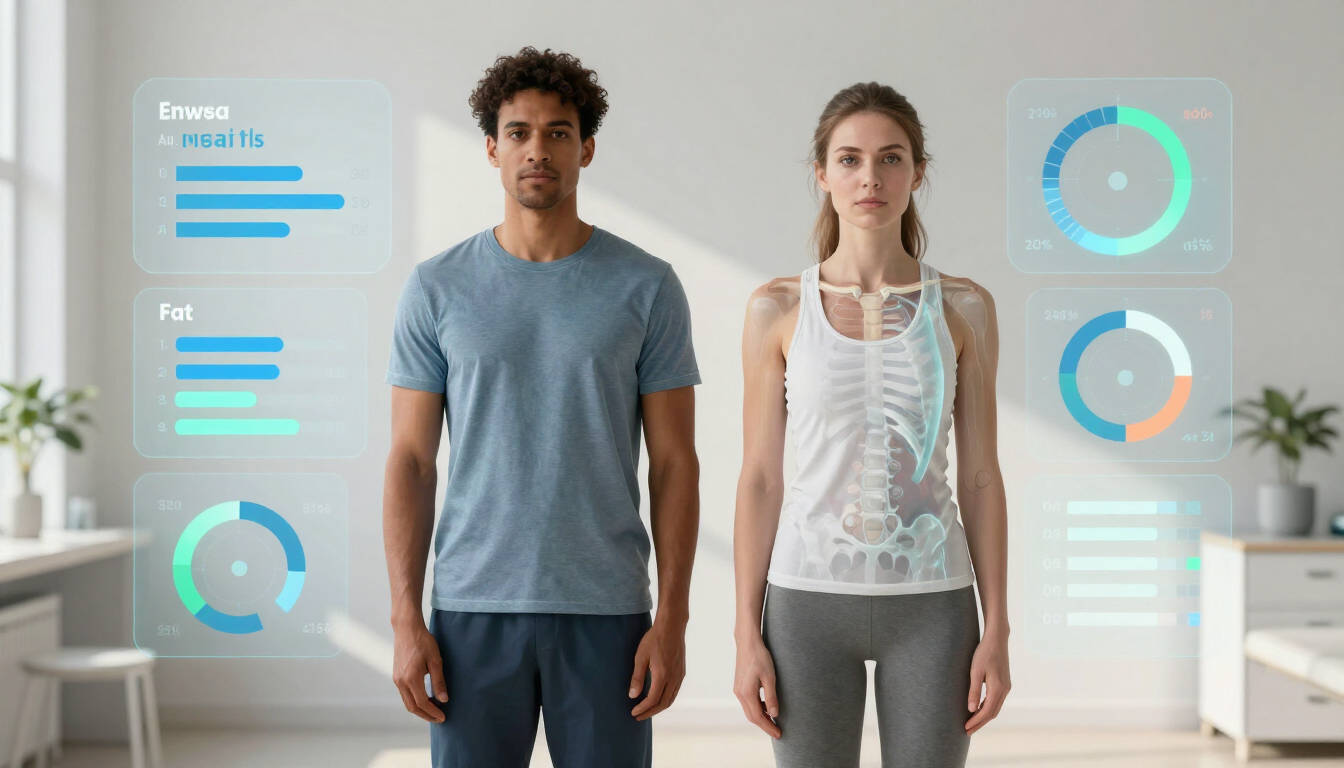
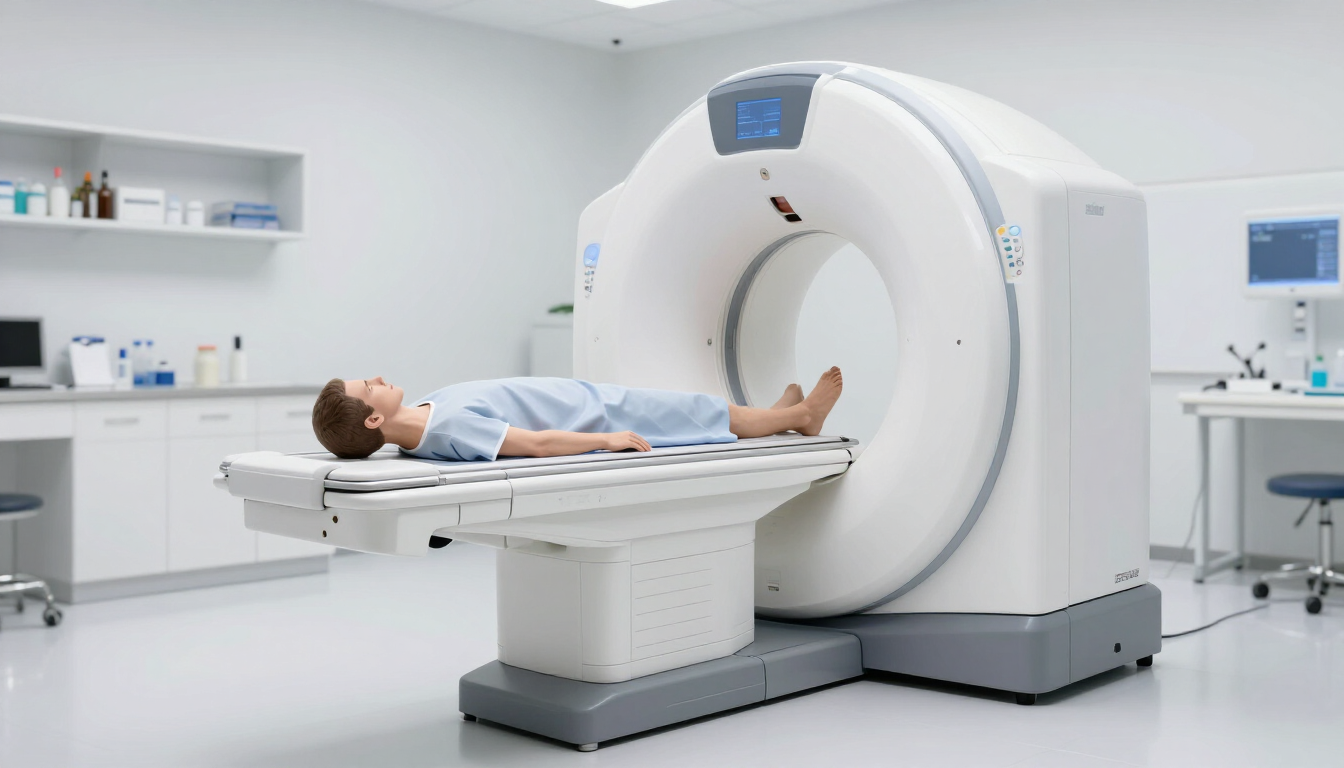
DEXA Body Composition Analysis
Unlike a standard bathroom scale, DEXA scanning measures:
- Lean muscle mass
- Body fat percentage
- Muscle distribution
- Left-right muscular imbalances
- Bone density
This information helps athletes monitor meaningful progress instead of relying solely on weight.
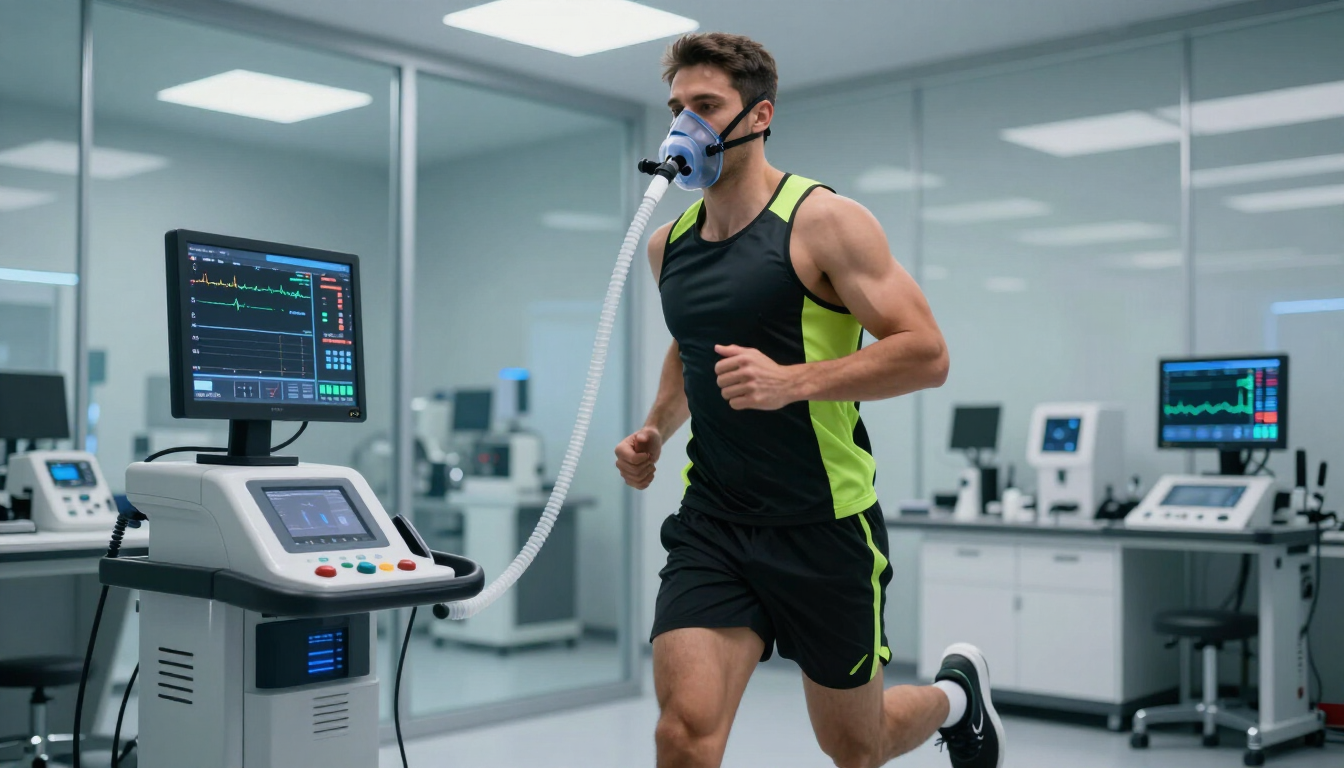
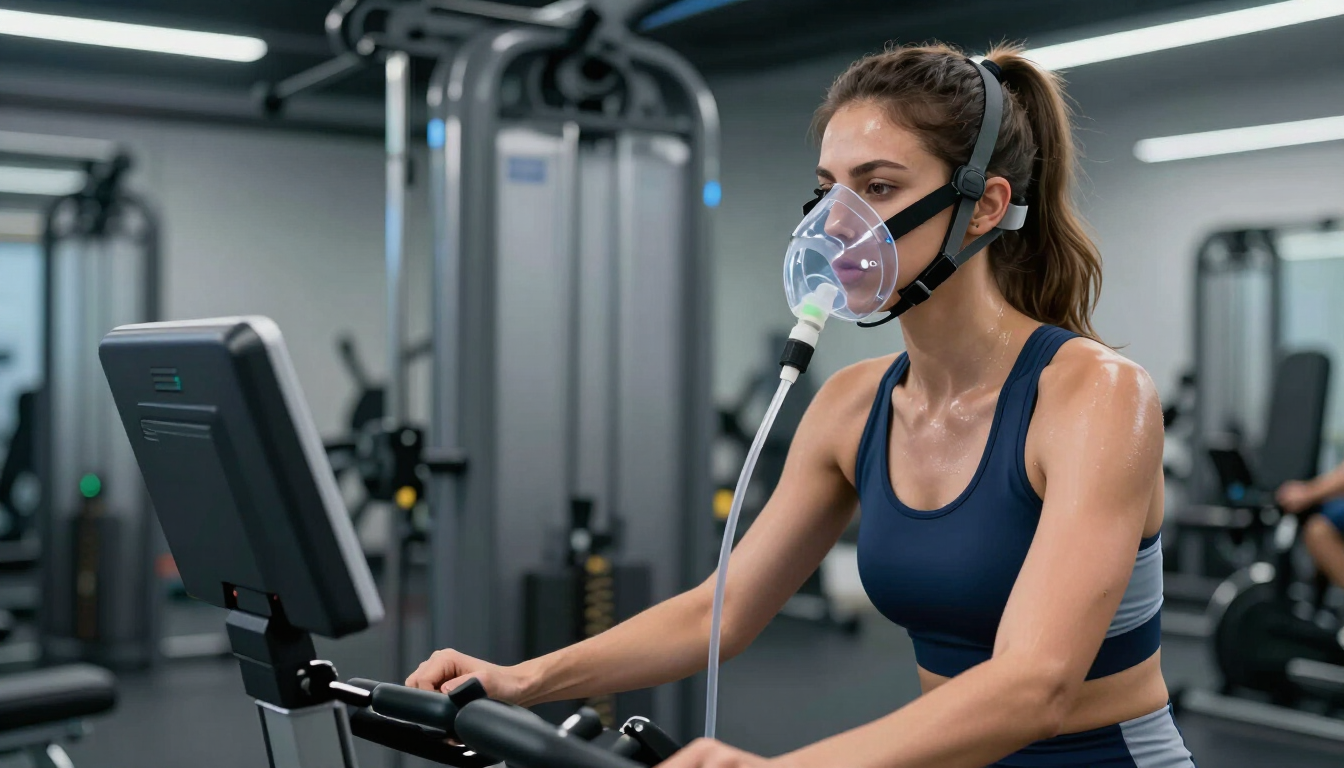
VO₂ Max and Metabolic Testing
VO₂ max testing evaluates how efficiently your body uses oxygen during exercise.
It also identifies:
- Aerobic capacity
- Anaerobic threshold
- Fat-burning zones
- High-performance training zones
Instead of guessing how hard you should train, workouts can be tailored to your specific physiology.
Functional Movement Screening
Movement quality often predicts performance and injury risk.
Functional assessments evaluate:
- Mobility
- Stability
- Speed
- Force production
- Movement asymmetries
Finding weaknesses early allows athletes to correct imbalances before they become injuries.
Performance Biomarkers
Internal recovery matters just as much as physical performance.
Laboratory biomarkers may measure:
- Hormonal balance
- Inflammation
- Testosterone-to-cortisol ratio
- Oxygen utilization
- Recovery status
These insights reveal whether your body is adapting effectively or beginning to overtrain.
Phase 2: Build a Personalized Training Program
Once performance data has been collected, training becomes far more effective because every session has a specific purpose.
Instead of random workouts, each exercise targets the physiological adaptations your body needs most.
Progressive Resistance Training
Strength programs are designed around progressive overload to improve:
- Muscle growth
- Tendon resilience
- Functional strength
- Athletic performance
The focus is on producing measurable improvements while minimizing injury risk.
EMS (Electrical Muscle Stimulation)
EMS technology recruits fast-twitch muscle fibers that can be difficult to fully activate through voluntary exercise alone.
Potential benefits include:
- Greater explosive power
- Improved acceleration
- Increased neural activation
- Efficient strength development
VO₂-Guided Conditioning
Endurance training becomes far more effective when intensity is based on measured training zones rather than estimated effort.
Athletes can specifically target:
- Fat oxidation
- Aerobic endurance
- Lactate threshold
- VO₂ power development
Infrared Sauna Training
Heat exposure isn't just relaxing—it may also support athletic performance by promoting circulation, encouraging heat acclimation, and supporting post-exercise recovery.
Sports Chiropractic Care
Proper joint alignment and movement efficiency help maximize force production while reducing unnecessary stress throughout the kinetic chain.
Performance Conditioning
Conditioning programs improve:
- Work capacity
- Recovery between efforts
- Metabolic flexibility
- Overall athletic endurance
Each component is customized using the athlete's assessment data rather than following generic conditioning protocols.
Phase 3: Regenerate for Faster Recovery
Recovery isn't simply taking a day off.
It's the biological process that allows your body to repair tissue, restore energy, and prepare for higher performance during the next training session.
Modern recovery programs may incorporate several advanced therapies.
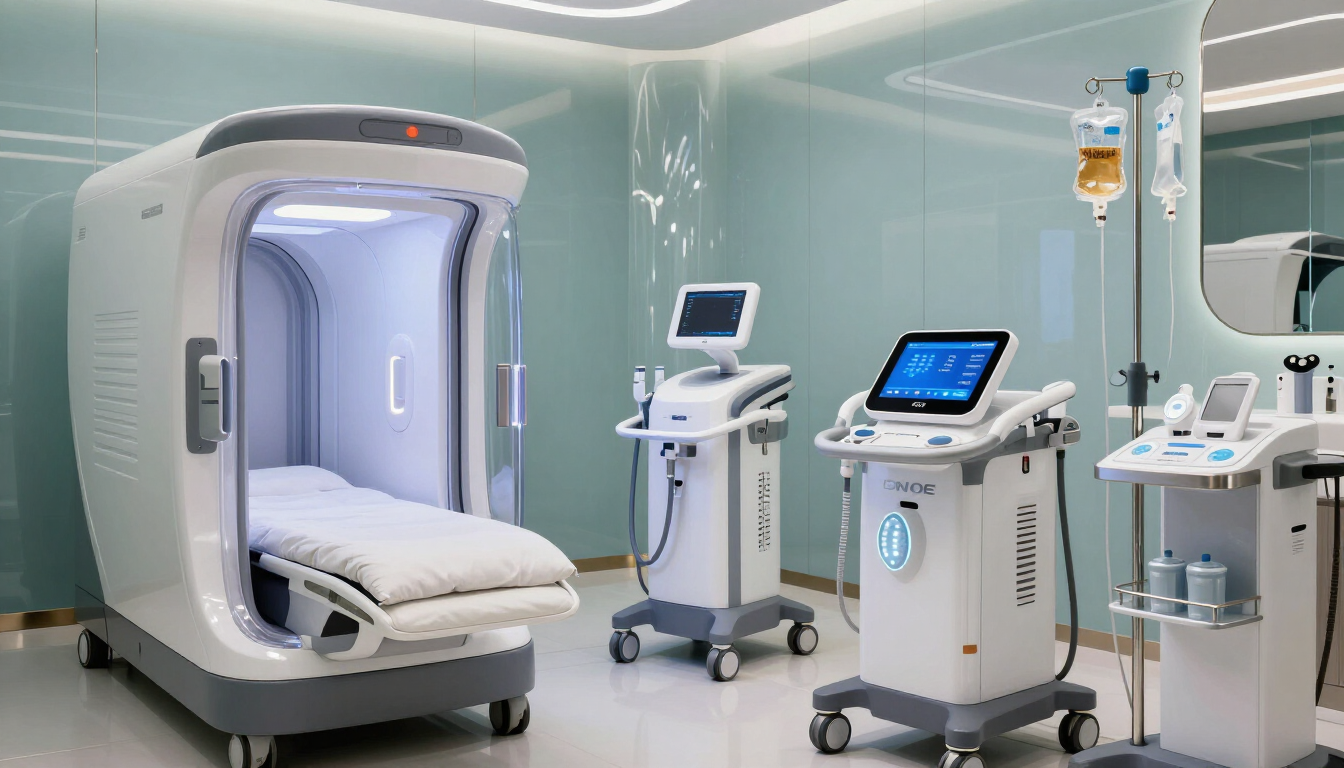
Hyperbaric Oxygen Therapy (HBOT)
HBOT increases oxygen delivery throughout the body under controlled pressure, supporting tissue repair and recovery following intense exercise or injury.
Red Light Therapy
Photobiomodulation uses specific wavelengths of light to stimulate cellular energy production, potentially supporting muscle recovery and reducing post-workout soreness.
Targeted Photobiomodulation
Focused near-infrared therapy can be directed toward specific muscles, tendons, and joints to help manage localized inflammation and encourage tissue repair.
Infrared Sauna Recovery
Heat therapy promotes circulation while supporting muscle relaxation and cardiovascular recovery after demanding training sessions.
IV Recovery Therapy
Intravenous nutrient therapy delivers fluids, vitamins, amino acids, and minerals directly into the bloodstream for rapid replenishment following strenuous activity.
Peptide Therapy
Under physician supervision, specialized peptide protocols may support tissue repair, reduce inflammation, and enhance muscle recovery.
PRP and Exosome Therapies
These regenerative treatments use concentrated biological factors to encourage healing within joints, tendons, ligaments, and soft tissue.
Personalized Supplement Programs
Rather than taking generic supplements, nutrition recommendations are built around laboratory findings to address specific deficiencies and performance goals.
Sports Nutrition Guidance
Nutrition plans align with each athlete's physiology and training schedule by optimizing:
- Protein intake
- Carbohydrate timing
- Recovery nutrition
- Body composition goals
These recommendations are informed by assessment data, including body composition and metabolic testing.
Why an Integrated Athlete Optimization System Works
Many athletes piece together their performance strategy by visiting separate providers for fitness coaching, recovery treatments, nutrition advice, and rehabilitation.
A comprehensive athlete optimization system combines these services into one coordinated approach.
The process is simple:
- Measure with advanced diagnostics.
- Build using personalized training.
- Regenerate through evidence-informed recovery strategies.
- Repeat while continuously tracking progress.
Each phase informs the next, creating a cycle where objective data drives smarter decisions and long-term improvement.
Who Can Benefit?
Athlete optimization isn't reserved for professional competitors.
This type of personalized performance system can benefit:
- Competitive athletes
- Weekend warriors
- Endurance athletes
- Golfers
- CrossFit participants
- Youth athletes
- Adults focused on healthy aging
- Anyone looking to improve strength, mobility, recovery, or overall fitness
Because programs are individualized, they adapt to each person's goals and current physical condition.
Build Performance That Lasts
Better performance isn't just about training harder—it's about training smarter.
By combining advanced assessments, personalized exercise programming, regenerative recovery therapies, and continuous performance tracking, athletes can make more informed decisions that support long-term strength, resilience, and overall wellness.
Whether your goal is to improve athletic performance, reduce injury risk, or simply maintain an active lifestyle for years to come, starting with accurate performance data provides the foundation for meaningful and measurable progress.